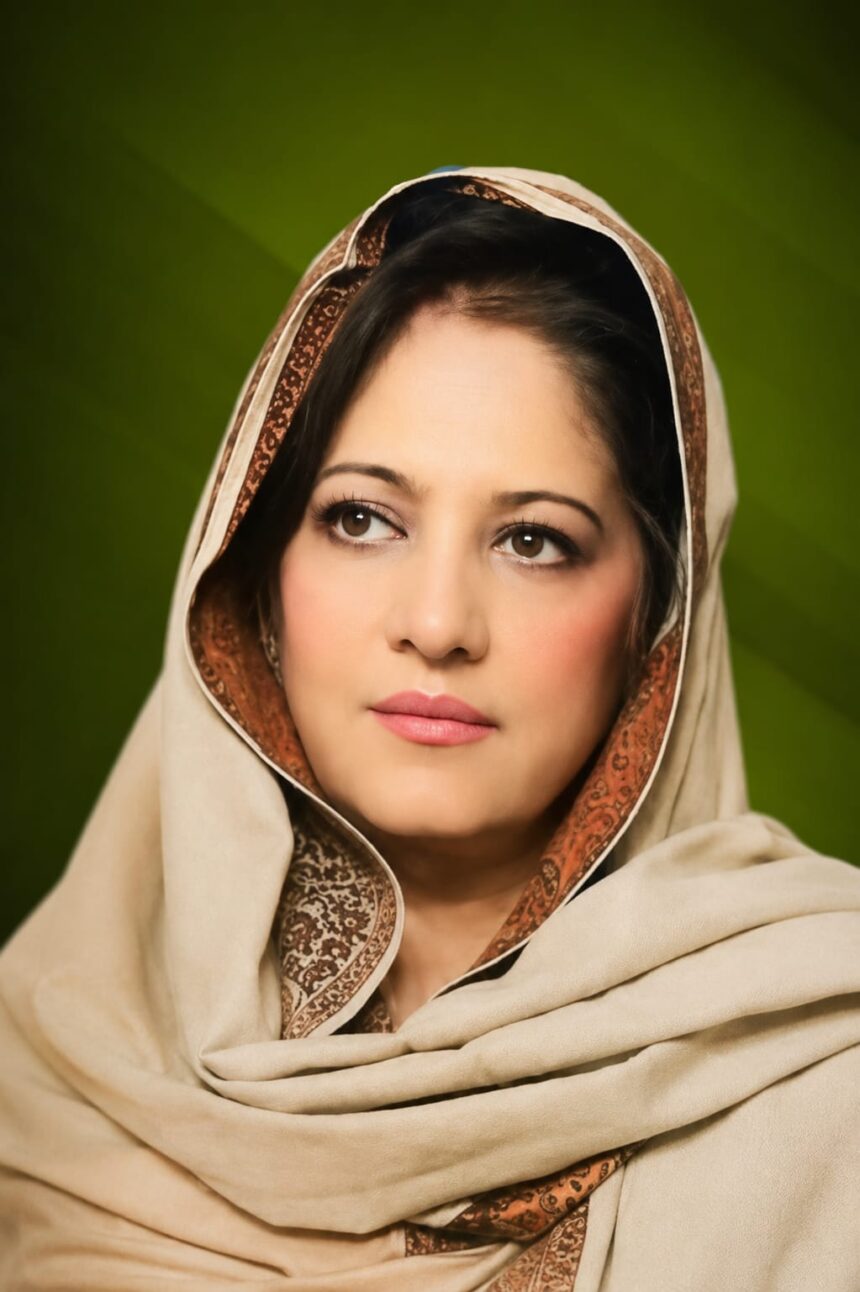
Written By:Sumblina Hassan
Former Secretary to
Shaheed Mohtarma Benazir Bhutto
In charge of office 10 UK, RCC Bilawal Bhutto
Quaid-e-Azam Muhammad Ali Jinnah gifted the people of Pakistan an independent homeland and united its diverse regions under the enduring principles of Unity, Faith and Discipline. His political struggle was not simply a campaign for territorial independence; it was a struggle to establish a state where people could live with dignity, security, justice and freedom. His vision was rooted in democratic values, constitutional governance, the rule of law and respect for the religious freedoms of all citizens.
Pakistan was created after immense sacrifices. Millions of people endured displacement, loss, uncertainty and hardship in order to secure a homeland where future generations could live with dignity and determine their own political destiny. The sacrifices of our forefathers therefore carry a responsibility for every generation: to protect democratic institutions, uphold constitutional principles and ensure that the voice of the people remains central to the affairs of the state.
The political history of Pakistan demonstrates that democracy has never been achieved without struggle. Democratic institutions have repeatedly faced challenges, yet the aspiration of the people for representation, equality and justice has remained alive. Our political parties and their leadership have a responsibility to preserve this aspiration and ensure that the sacrifices of previous generations were not made in vain.
For the people of Kashmir, the question of democracy carries an even deeper significance. The people of the region deserve the opportunity to determine their future through peaceful, constitutional and democratic means. Their vote is not merely a mark on a ballot paper; it is an expression of their hopes, aspirations and political will. When a citizen enters the polling station, that individual is exercising one of the most fundamental rights in a democratic society—the right to choose representatives who will speak for them and protect their interests.
This is why the principle of “Enter the Ballot” must become central to the democratic future of Kashmir.
Bilawal Bhutto Zardari has continued to advocate a political vision in which the people of Kashmir enjoy meaningful democratic rights and effective representation. His position reflects the belief that Kashmiris should have the same democratic dignity and political participation expected of citizens elsewhere in Pakistan. Democracy cannot be meaningful if people are permitted to vote but their concerns are not reflected in policymaking.
The ballot must therefore represent more than an election. It must become a mechanism through which the people of Kashmir can influence decisions affecting their everyday lives.
The people of Kashmir have legitimate concerns relating to water resources, electricity, employment, education, development, infrastructure and public finances. These are not abstract political questions. They directly affect families, students, workers, farmers, businesses and young people. Decisions concerning these matters must include the voices of those who live in the region and understand its needs.
Meaningful representation in national institutions is therefore essential. Kashmir must have representatives who can raise the region’s concerns at the highest levels of government and participate in decisions that affect its economic and social future. The people deserve representatives who are accountable to them—not merely during election campaigns, but throughout their political careers.
This democratic approach will inevitably face opposition. Whenever political reform threatens established interests, those benefiting from the existing arrangements may attempt to resist change. Political disagreement is a legitimate part of democracy, but intimidation, misinformation, character assassination and violence have no place in a democratic society.
The strongest answer to political disagreement is not violence. It is the ballot box.
The strongest response to propaganda is not hatred. It is truth.
And the strongest defence of democratic rights is not confrontation. It is continued participation in constitutional institutions.
It is particularly disturbing when innocent citizens suffer simply because they have exercised their right to vote. A voter should never have to fear intimidation, harassment or violence for entering a polling station. The sanctity of the vote must be protected regardless of political affiliation.
Every vote carries equal dignity.
The ballot of a labourer is as important as the ballot of a businessman. The vote of a student carries the same constitutional importance as the vote of a political leader. The voice of a woman in a remote community deserves the same respect as the voice of a person living in a major city. Democracy becomes meaningful only when every citizen believes that their vote matters.
The people of Kashmir must therefore remain steadfast. They must not surrender their democratic rights because of fear, political pressure or provocative rhetoric. They must reject violence and refuse to allow their political future to be determined by those who seek to create division.
Their struggle should be peaceful, constitutional and democratic.
Their answer should be the ballot.
Pakistan itself continues to confront significant challenges. Economic pressures, political disagreements, institutional reforms, unemployment and social inequalities require serious national attention. Kashmir faces many of these challenges as well, but its geographical, political and historical circumstances make effective representation even more important.
The people of Kashmir want a future in which their identity, dignity and rights are respected. They want opportunities for their children, employment for their youth, quality education, reliable electricity, responsible management of natural resources and development that reaches ordinary citizens.
These aspirations are neither unreasonable nor extraordinary. They are the basic expectations of citizens who want to live with dignity.
The youth of Kashmir, in particular, deserve greater attention. A generation cannot be asked to believe in democracy if it sees limited employment opportunities, inadequate educational resources and insufficient avenues for economic advancement. Political participation must be accompanied by economic opportunity.
A democratic system must therefore deliver more than elections. It must deliver results.
Education must become a priority. Young Kashmiris should have access to modern schools, universities, technical training and digital opportunities that enable them to compete in Pakistan and internationally. Employment opportunities must expand through investment, entrepreneurship, tourism, technology, agriculture and small businesses.
Similarly, women must be given greater opportunities to participate in economic and political life. No society can achieve sustainable development while a significant portion of its population remains excluded from decision-making and economic opportunities.
The management of Kashmir’s natural resources must also be based upon transparency, accountability and the interests of its people. Water and electricity are essential resources, and decisions concerning them must take into consideration the needs of the communities that depend upon them.
The question of representation is therefore directly connected to development.
When people have effective representatives, they can demand accountability. When representatives are answerable to voters, public institutions are more likely to respond to citizens. And when citizens believe their vote can bring change, they are more likely to participate peacefully in democratic processes.
There is also an important spiritual and historical lesson in the experience of Madinah.
When the Holy Prophet Muhammad (peace be upon him) and his companions faced persecution in Makkah, they were commanded by Allah Almighty to migrate to Madinah. There they found a society based upon brotherhood, mutual respect and cooperation. Madinah became a place where a community could rebuild itself, develop institutions and establish a society grounded in justice and responsibility.
The lesson is powerful: communities prosper when they replace division with unity, fear with hope and conflict with constructive cooperation.
Pakistan needs the same spirit today.
Our political differences should not become a reason to destroy national unity. Political opponents can disagree without becoming enemies. Elections should be competitions of ideas, policies and public service—not contests in intimidation or personal hatred.
The people of Kashmir deserve political leaders who understand this responsibility.
Leadership means protecting citizens even when they disagree with you.
Leadership means accepting criticism without responding through hatred.
Leadership means respecting the vote even when the result is not favourable.
And leadership means remembering that political office is a public trust rather than a personal possession.
Bilawal Bhutto Zardari’s emphasis on democratic participation and representation reflects this broader understanding of political responsibility. His advocacy for the democratic rights and aspirations of Kashmiris places the ballot box at the centre of political change.
Ultimately, the future of Kashmir cannot be built through threats, violence or division. It must be built through institutions, democratic participation, economic development and the peaceful expression of the people’s will.
The Kashmiri people must therefore remain united and determined.
They must enter the ballot box with confidence.
They must cast their votes peacefully.
They must demand that every vote is counted.
They must demand that every vote is respected.
And they must demand that the elected representatives remain accountable to the people.
The ballot box is where political promises should meet public judgment. It is where citizens can reward those who serve them and reject those who fail them. It is where the ordinary citizen becomes an equal participant in the political destiny of the region.
Kashmir’s future should not be written through violence. It should be written through the will of its people.
It should be written by students who dream of better education, by young people seeking employment, by families seeking security, by women demanding equal opportunities, by farmers seeking better livelihoods and by citizens who simply want their dignity and rights protected.
The journey toward genuine democracy may be difficult, but it must continue.
We must reject those who attempt to divide society through inflammatory language, misinformation and hostility. We must refuse to allow political differences to turn citizens against one another. We must protect the institutions that give people a peaceful means of changing their leadership.
Our unity must remain our strength.
Our faith must remain our moral foundation.
Our discipline must guide our political conduct.
And our ballot must remain our instrument of democratic change.
Insha’Allah, the people of Kashmir will continue their democratic journey with courage and determination. Their aspirations for dignity, representation, education, employment, development and political participation deserve to be heard.
The answer to those who seek to silence democratic voices should be peaceful participation.
The answer to division should be unity.
The answer to violence should be democracy.
And the answer to political uncertainty should be the ballot box.
Enter the ballot. Cast your vote. Defend democracy. Protect the dignity of the people.
Because ultimately, the future of Kashmir must belong to its people and their voice must be counted, respected and reflected in the ballot box.