Youth urged to support front-of-pack warning labels for healthier food choices
Report: ANI Correspondent
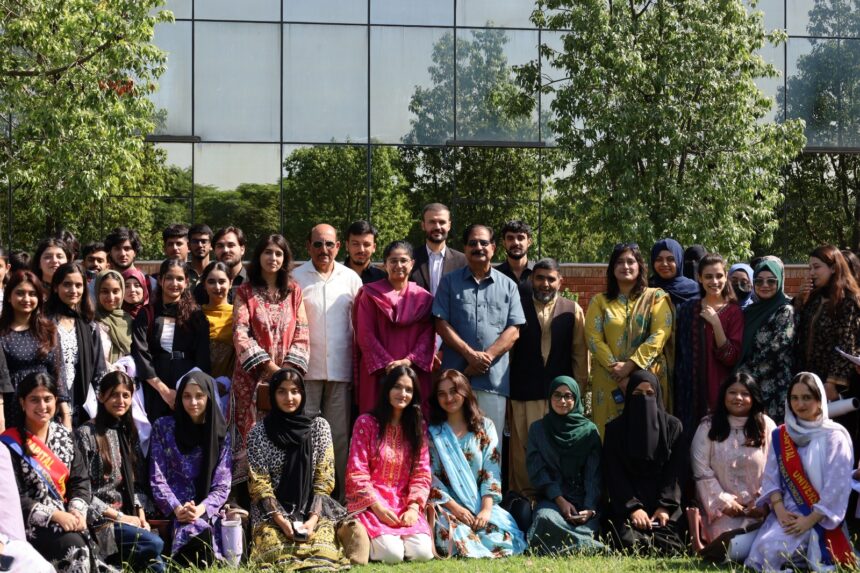
ISLAMABAD: The Pakistan National Heart Association (PANAH) organised an awareness session at the Capital University of Science and Technology (CUST) to educate students about the health risks associated with ultra-processed products (UPPs) and the role of Front-of-Pack Warning Labels (FOPWL) in preventing non-communicable diseases (NCDs).
The session brought together students, faculty members and youth advocates to discuss the growing burden of diabetes, cardiovascular diseases, obesity and other diet-related health conditions in Pakistan.
Addressing the participants, PANAH Secretary General Sana Ullah Ghumman highlighted the health risks associated with unhealthy dietary habits and the frequent consumption of ultra-processed products. He emphasised that mandatory front-of-pack warning labels could help consumers, particularly young people, identify packaged foods containing excessive amounts of sugar, salt and unhealthy fats, enabling them to make more informed dietary choices.
He urged students to become ambassadors of public health by raising awareness and supporting evidence-based policies aimed at creating healthier food environments. He stressed that public awareness initiatives and effective government policies must work together to reduce the growing burden of non-communicable diseases.
PANAH Vice President Ghulam Abbas highlighted the importance of youth participation in promoting healthier lifestyles and preventing diet-related diseases. He said universities offered an effective platform for educating future generations about the potential health consequences of unhealthy food consumption.
He encouraged students to spread awareness among their families, peers and communities and support PANAH's campaign for mandatory front-of-pack warning labels on ultra-processed products.
Speaking on behalf of the university, Professor X appreciated PANAH's efforts to promote public health through awareness and policy advocacy. He acknowledged the importance of involving students in preventive health initiatives and expressed support for stronger collaboration between the university and PANAH.
The session concluded with a renewed commitment to promoting youth-led health awareness and encouraging students to play an active role in preventing non-communicable diseases.
PANAH reaffirmed its commitment to expanding its university-based awareness campaign across Pakistan to promote healthier food choices and build a better-informed generation.