

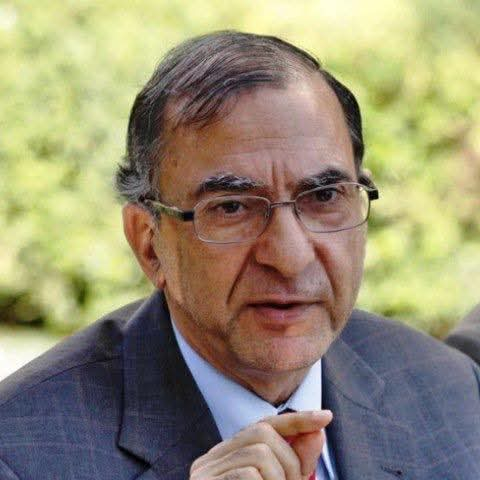
By Dr. Ghulam Nabi Fai
Chairman, World Forum for Peace & Justice : Published by ANI
WASHINGTON/SRINAGAR,
Dr. Ghulam Nabi Fai, Chairman of the World Forum for Peace & Justice, has welcomed U.S. Ambassador to India Sergio Gor’s recent visit to Srinagar and his remarks describing Jammu and Kashmir as “an incredibly beautiful place,” while urging Washington to also remain mindful of the region’s long and complex diplomatic history.
Ambassador Gor visited Jammu and Kashmir on August 19 during his first trip to the region. Following his meeting with Jammu and Kashmir Chief Minister Omar Abdullah, he described the region as “an important part of India” and praised its natural beauty. He also indicated that Washington would review its travel advisory for the region.
“There can be little disagreement about Kashmir’s extraordinary beauty,” Fai said, noting that its valleys, lakes, mountains, forests and landscapes have inspired generations of travellers, writers, diplomats and visitors.
However, he stressed that Kashmir’s remarkable beauty should not overshadow the historical and diplomatic questions surrounding the region.
Fai recalled that prominent American statesmen and diplomats have maintained a longstanding interest in Kashmir. He referred particularly to former U.S. Ambassador to the United Nations Adlai Stevenson, who visited Kashmir and met Sheikh Abdullah, the grandfather of Omar Abdullah.
According to Fai, when American diplomats and statesmen addressed Kashmir in official forums, they recognized that their statements carried implications extending well beyond the immediate circumstances. Kashmir was viewed not merely as a tourist destination but as one of South Asia’s most sensitive political and diplomatic issues.
Fai also pointed to the United States’ historical role at the United Nations. In 1948, Washington supported UN Security Council Resolution 47 concerning the restoration of peace and order in Jammu and Kashmir and the proposed plebiscite regarding the region’s future.
He further cited a 1957 U.S. State Department record in which then-Secretary of State John Foster Dulles reaffirmed the American position concerning previous UN decisions on a plebiscite, unless the parties agreed upon an alternative settlement.
Fai acknowledged that U.S. policy toward South Asia has evolved considerably over the decades in response to changing geopolitical circumstances and strategic priorities.
“History remains relevant because diplomacy is built on precedents, records and carefully chosen language,” he said.
He also recalled former U.S. President George W. Bush’s remarks in 2006 concerning a Kashmir settlement acceptable to “both sides,” followed by clarification that a lasting solution should be acceptable to “all sides,” including India, Pakistan and the people living in Kashmir.
Fai said the episode demonstrated the importance of diplomatic language when dealing with issues as sensitive as Kashmir.
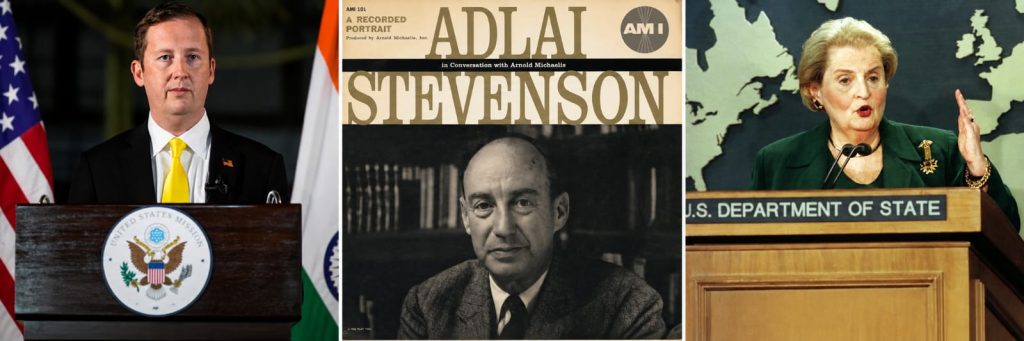
He also referred to former U.S. Secretary of State Madeleine Albright’s personal connection with Kashmir through her father, Josef Korbel, who served as Chairman of the United Nations Commission for India and Pakistan.
According to Fai, Kashmir has consequently occupied a significant place in the history of American diplomacy—not simply as a picturesque Himalayan region, but as an issue involving peace, security, international diplomacy and the political future of its people.
Fai also highlighted statements by U.S. President Donald Trump over the years regarding Kashmir. Trump has previously offered to mediate between India and Pakistan and described Kashmir as a longstanding and sensitive dispute.
The World Forum for Peace & Justice chairman emphasized that recognizing Kashmir’s natural beauty does not require ignoring its political history.
“Kashmir can simultaneously be a place of extraordinary natural beauty and a territory at the center of a longstanding political dispute,” Fai said. “Recognizing one reality does not require denying the other.”
He argued that the historical record—including UN resolutions, UNCIP documents and statements by successive American presidents, secretaries of state and diplomats—remains relevant to contemporary diplomacy.
Fai said Ambassador Gor’s recent remarks should be viewed as an opportunity for constructive dialogue rather than simply as a matter for political celebration or condemnation.
He cited the view of jurist Dr. Syed Nazir Gilani that the ambassador’s comments could provide Washington with an opportunity to revisit its diplomatic archives and reconsider its historic engagement with the rights, security, dignity and political future of the people of Jammu and Kashmir.
“The senior officials of the U.S. Department of State need not choose between appreciating Kashmir’s beauty and remembering Kashmir’s history. They can do both,” Fai said.
He called for diplomacy that strengthens U.S.-India relations, encourages peace between India and Pakistan, respects the sensitivities of all parties and ensures that the people of Kashmir remain part of discussions concerning the region’s future.
“Thank you, Ambassador Gor, for visiting Kashmir. Thank you for seeing its beauty. And now, as an American diplomat standing in a place where every word carries historical weight, I respectfully invite you to look once more—not only at Kashmir’s magnificent mountains and valleys, but also at the diplomatic record that has surrounded them for nearly eight decades,” Fai concluded.
“The beauty of Kashmir deserves to be celebrated. Its history deserves to be remembered. And its future deserves thoughtful, peaceful and responsible diplomacy.”


Assalam-o-Alaikum Sir,
MashaAllah, this is a truly outstanding article by the Financial Times team. Dr. Sahib, you have written a very impressive, thoughtful, and beautifully articulated piece. The quality of the article is remarkable, and your writing reflects great insight and professionalism.
May Allah Almighty bless you with even greater success and progress, and may He continue to take the Financial Times to new heights. MashaAllah, they have a team of highly talented writers who are producing excellent and high-quality articles.
Thank you very much, Dr. Sahib. Wishing you continued success.