Report: ANI
ISLAMABAD– Rotary International has reaffirmed its longstanding commitment to supporting Pakistan’s efforts to eradicate polio, highlighting progress in the fight against the wild poliovirus and the need for continued vaccination and community engagement.
Pakistan and Afghanistan remain the only two countries in the world where wild poliovirus is endemic.
World Polio Day, observed annually on October 24, honours Dr Jonas Salk, who developed the first safe and effective polio vaccine more than 70 years ago. The occasion serves as an opportunity to recognise progress and renew global efforts to eliminate the disease.
Rotary helped establish the Global Polio Eradication Initiative (GPEI) in 1988, when polio affected approximately 350,000 children annually across 125 countries. According to Rotary, cases have since declined by more than 99.9 per cent, preventing more than 20 million people from being paralysed by the disease.
Rotary International President Olayinka Hakeem Babalola said the organisation had contributed more than US$3 billion to polio eradication efforts globally, including US$1.3 million from Rotary members in Pakistan. He added that Rotary had invested more than half a billion dollars and mobilised countless volunteer hours to protect over 45 million children in Pakistan against polio.
Babalola, who helped lead eradication efforts in Nigeria before Africa was certified free of indigenous wild poliovirus transmission in 2020, said the achievement demonstrated that ending polio in Pakistan and eliminating the disease worldwide was possible through collaboration and sustained political and financial support.
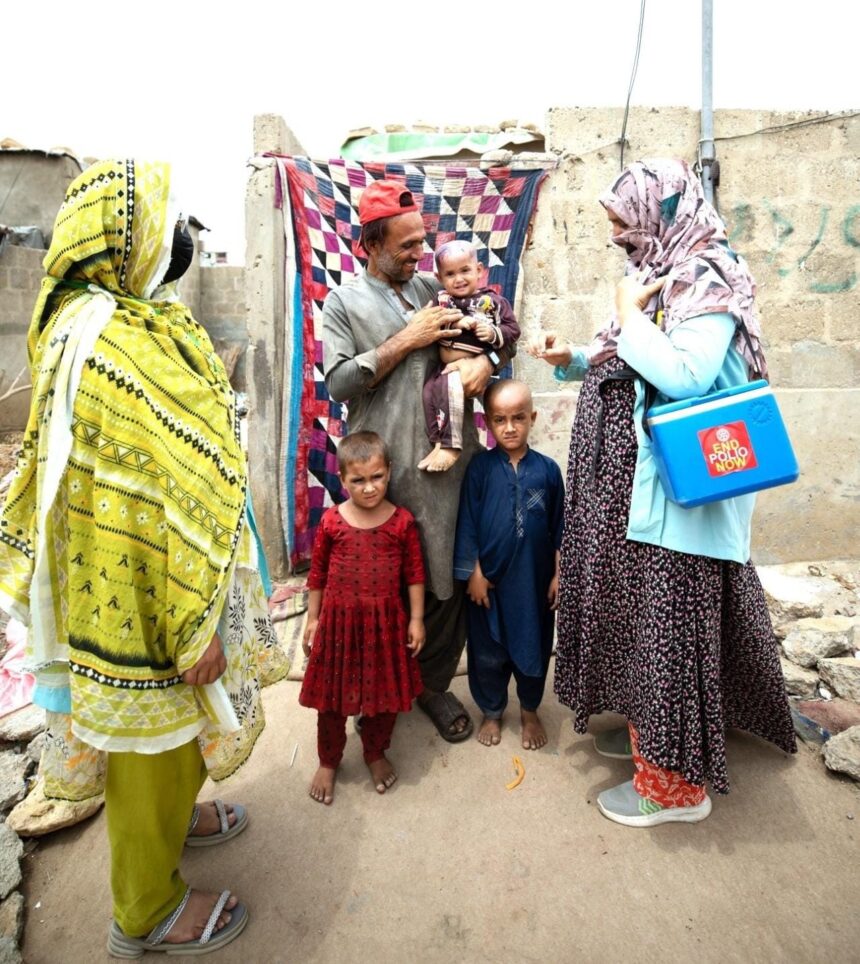
Rotary members also advocate government support for immunisation programmes and raise public awareness about polio vaccination. In Pakistan, vaccine refusals remain a significant obstacle to reaching every child.
Aziz Memon, chair of Rotary’s Pakistan National PolioPlus Committee, said Pakistan had reported only a handful of cases so far this year, describing the progress as an opportunity to strengthen public confidence and maintain community trust.
He said the committee was also addressing community needs through initiatives including water filtration plants, community resource centres, support centres for frontline workers and permanent transit vaccination posts to reach children travelling between locations.
Rotary said it and its GPEI partners had the expertise and tools needed to eradicate polio, but stressed that governments, donors and international partners must continue to prioritise the campaign until transmission is stopped permanently.
Further information is available at endpolio.org.
Rotary is a global network of volunteer leaders working to address humanitarian challenges and promote lasting change. It connects approximately 1.2 million people of action through more than 45,000 Rotary clubs in nearly every country.
Its initiatives focus on disease prevention, peacebuilding, access to clean water, education, maternal and child health, local economic development and environmental protection. Through The Rotary Foundation, Rotary has awarded more than US$5.5 billion over the past century to support community-driven humanitarian projects worldwide.