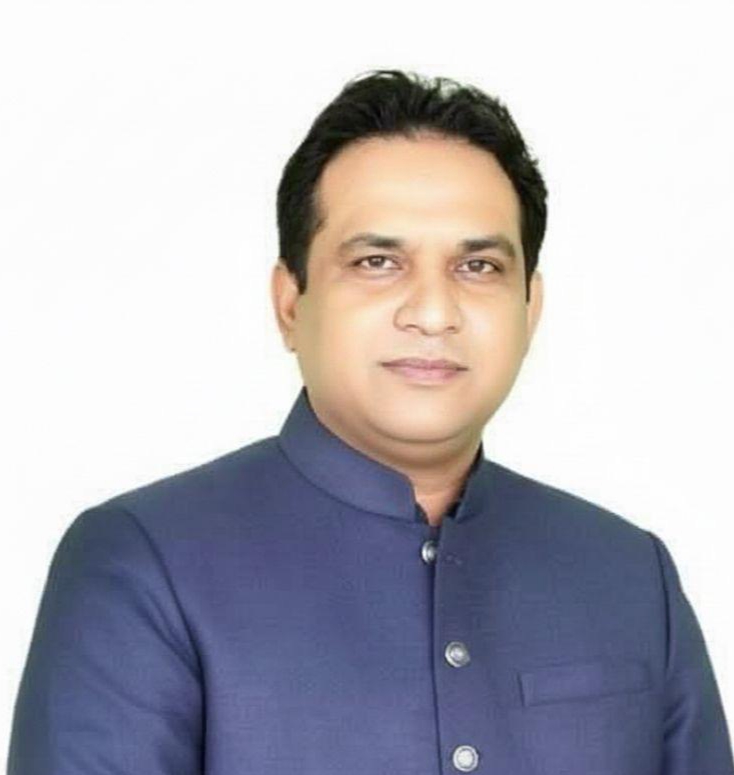
By: Rana Farooq Ashraf
Published By: ANI News Agency
Pakistan’s economic challenges demand an honest and balanced debate about public spending, poverty alleviation, government subsidies, and the performance of state-owned enterprises. While financial assistance provided to poor families often becomes a subject of public criticism, an equally important question deserves attention: why is there not the same level of scrutiny over the enormous financial losses, administrative inefficiencies, and waste of public resources in various government institutions?
Poverty remains one of Pakistan’s most pressing social challenges. Rising inflation, unemployment, low wages, and the increasing cost of essential commodities have made life increasingly difficult for millions of citizens. For families struggling to afford food, healthcare, education, and housing, financial assistance can make the difference between survival and deprivation. Therefore, programmes such as the Benazir Income Support Programme (BISP) serve an important social purpose. A responsible state must provide a safety net for citizens who cannot meet their basic needs.
However, the debate should not end with the question of whether financial assistance is necessary. It must also examine whether public money reaches the genuinely deserving, whether the distribution system is transparent, and whether the programme contributes to long-term improvements in living standards.
Pakistan needs a comprehensive approach that combines immediate financial relief with opportunities for economic independence. Eligible beneficiaries should have access to vocational training, employment opportunities, skills development, and support for small businesses. Such initiatives can help working-age individuals gradually improve their financial circumstances. At the same time, elderly citizens, persons with disabilities, and individuals who cannot work must continue to receive appropriate protection without being subjected to unrealistic employment requirements.
The second major concern is the financial performance of state-owned enterprises. Institutions that repeatedly incur losses place an additional burden on the national exchequer, limiting the resources available for education, healthcare, infrastructure, and poverty reduction. If public debate focuses on the money given to low-income families, it should also examine the public funds consumed by inefficient institutions.
The prolonged closure of Pakistan Steel Mills illustrates the need for serious institutional accountability. Whenever a major public-sector enterprise remains unproductive for an extended period, the government must explain the costs involved, the reasons for its failure, and the future strategy for its assets and operations. Similar assessments should be conducted across state-owned enterprises to identify the causes of persistent losses and determine appropriate solutions.
Every institution should have measurable performance targets, clear timelines for reform, and accountable management. Depending on its strategic importance and financial condition, the appropriate course may include restructuring, professional management, operational improvements, public-private partnerships, or privatisation. However, such decisions must be based on transparent assessments of public interest, financial viability, employment implications, and long-term economic benefits.
Energy subsidies and inefficiencies also require urgent attention. Rising electricity and gas prices place pressure on households and businesses, while financial losses and circular debt create wider economic problems. The government should publish clear information about the allocation of energy subsidies, the groups benefiting from them, and the results achieved. Unnecessary expenditure and avoidable operational losses must be reduced, while targeted assistance should protect low-income households from excessive financial pressure.
Public spending must also be evaluated according to its economic and social returns. Development projects, welfare programmes, debt servicing, energy subsidies, and losses incurred by state-owned enterprises should be examined separately and transparently. Every major expenditure should have a clear justification, measurable objectives, and an effective monitoring mechanism. Parliamentary committees and independent auditors must play a meaningful role in reviewing government performance.
The government should take several practical steps. First, it should strengthen beneficiary verification and introduce regular independent audits of BISP to ensure that assistance reaches eligible families. Second, it should publish comprehensive financial statements showing the losses incurred by state-owned enterprises, the reasons behind those losses, and the progress of corrective measures. Third, it should establish time-bound reform plans for persistently unprofitable institutions. Fourth, it should review energy subsidies and eliminate unnecessary expenditure without withdrawing essential protection from vulnerable consumers. Finally, it should expand employment-oriented training and economic opportunities for low-income families and publish annual progress reports on these initiatives.
These reforms should not be treated as competing priorities. Protecting poor citizens and ensuring fiscal discipline are complementary responsibilities of the state. Financial assistance is not inherently wasteful, just as every public-sector loss cannot automatically be attributed to mismanagement without examining the relevant evidence. The objective should be to ensure that every rupee collected from taxpayers produces a meaningful public benefit.
Pakistan does not merely need reductions in government expenditure; it needs better spending, stronger institutions, transparent decision-making, and a productive economy capable of generating employment and sustainable revenue.
The fundamental question is not whether poor citizens deserve financial assistance. It is whether public resources are being used fairly, transparently, and effectively—and whether those entrusted with managing national wealth are being held accountable. A stronger Pakistan requires a system in which the poor are protected, public institutions are answerable for their performance, and national resources are directed towards measurable improvements in the lives of ordinary citizens.