

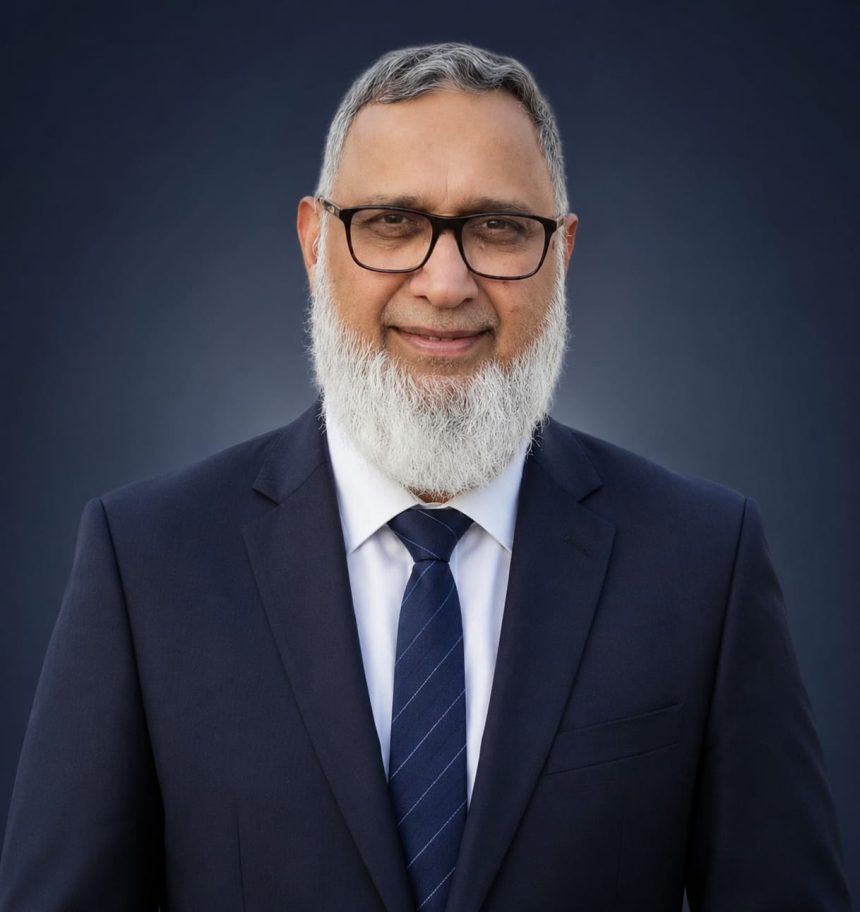
Written By: Mahmood Khan
Published By:ANI News Agency
Women constitute almost half of Pakistan’s population, yet their participation in the country’s economic, political and social life remains considerably below its potential. No nation can achieve sustainable development while a large part of its population is unable to enjoy equal opportunities. Women empowerment in Pakistan is therefore not merely a matter of women’s rights; it is a national necessity linked to economic growth, social stability, education, democracy and human development.
Pakistan has made important progress over the years. Women are increasingly visible in education, politics, business, medicine, law, journalism, science, sports and public administration. Women have served as prime minister, judges, ambassadors, parliamentarian, pilots, entrepreneurs and senior civil servants. Millions of Pakistani women are also contributing to agriculture, small businesses, education and the informal economy, often without adequate recognition or financial protection.
Despite this progress, serious barriers remain. One of the greatest challenges is unequal access to education. Although female enrolment has improved, many girls, particularly in rural and economically disadvantaged areas, still face difficulties reaching and completing school. Poverty, inadequate transport, early marriage, social restrictions and a shortage of educational facilities can prevent girls from continuing their education.
Economic empowerment is another major challenge. Female labour-force participation remains relatively low compared with many other countries. Many women work in agriculture, domestic employment, home-based businesses and the informal sector, but their contribution is often invisible or poorly paid. Women entrepreneurs also face difficulties obtaining finance, property, technology, markets and professional networks. Without economic independence, social and political empowerment remains incomplete.
Workplace discrimination is another concern. Women may encounter unequal pay, limited career progression, harassment and unsafe working environments. Although laws and institutional mechanisms exist to protect women, effective implementation remains essential. Legislation has little value if victims cannot access justice or if complaints are ignored.
Violence against women is perhaps one of Pakistan’s most serious social challenges. Domestic violence, forced and early marriages, harassment, honour-based violence and other forms of abuse continue to affect women. Addressing these problems requires not only stronger law enforcement but also a transformation in social attitudes. Violence cannot be justified in the name of culture, tradition or family honour.
Political empowerment is equally important. Pakistan has introduced measures to increase women’s representation in political institutions, including reserved seats. However, representation should go beyond numbers. Women need genuine opportunities to participate in decision-making at national, provincial and local levels. Political parties should provide women with greater opportunities to contest elections on general seats and develop leadership skills.
Technology provides a new opportunity for women’s empowerment. Digital education, online employment, e-commerce and entrepreneurship can enable women—particularly those who face restrictions on mobility—to participate in the modern economy. However, the digital gender gap must be addressed through affordable internet access, digital literacy and technological training.
Education remains the foundation of long-term empowerment. An educated woman is better equipped to make informed decisions about health, family, employment and citizenship. Investment in girls’ education therefore produces benefits not only for women but for entire families and communities.
Pakistan also needs to recognise the importance of men’s role in women’s empowerment. Empowerment should not be presented as a conflict between men and women. Men, families, religious scholars, educators, political leaders and civil society all have responsibilities in creating a society where women can live with dignity and equal opportunity.
The way forward requires a comprehensive national strategy. Pakistan should prioritise girls’ education, vocational training, healthcare, women’s employment, equal pay, financial inclusion, property rights, political participation and protection from violence. Laws must be implemented effectively, police and judicial institutions strengthened, and workplaces made safer. Special attention should be given to women in rural areas and economically marginalised communities.
Women empowerment is ultimately about giving women the freedom and opportunity to fulfil their potential. Pakistan cannot build a strong economy, modern democracy or stable society while millions of women remain excluded from meaningful participation.
The future of Pakistan depends upon the abilities of all its citizens. Empowering Pakistani women is not giving them a privilege; it is removing the barriers that prevent them from contributing fully to the country’s progress. A Pakistan in which women are educated, economically independent, politically active and socially respected will be a stronger, fairer and more prosperous Pakistan.


As a matter of fact there is no restriction participating of women in women in educational institutions, no restrictions taking part in general elections, employment, business and other walk of life. The real fact is that women of rural areas like interior Sindh,Punjab, KPKand Baluchistan are undoubtedly facing hardship due to unavoidable
Circumstances. Yes as a whole country side women are facing
Men domination.
Really it is appreciable that you have high lighted a
A very chronic problem.
Already confirmed
Thank you for your kind information but our society face still such stigma. There is another issue of “wani” which was not discussed deliberately. I intended to write about this social stigma in the future.