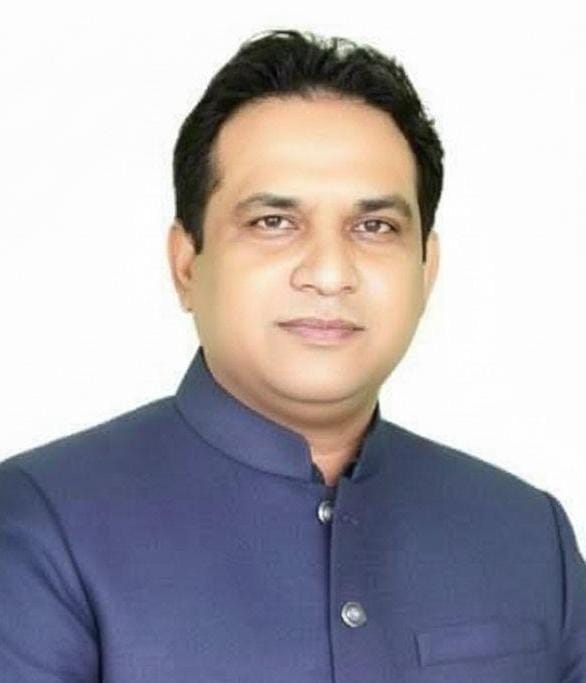
By Rana Farooq Ashraf
Published By:ANI News Agency
Social media has given today’s youth an unprecedented ability to communicate, influence public opinion and shape national discourse. A young person with a smartphone can now reach thousands, or even millions, of people within minutes. This extraordinary power can become a force for education, awareness and national development when used responsibly. However, when social media is used to circulate rumours, fabricated content, misinformation and propaganda, it can also create confusion, polarization and distrust within society.
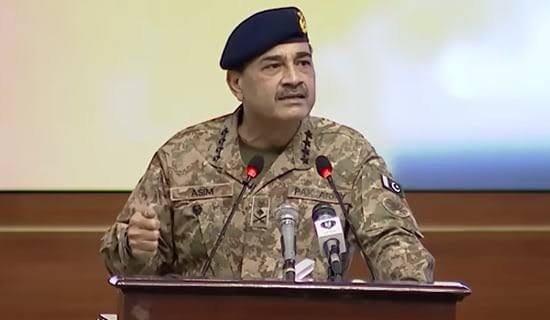
The recent emphasis by Field Marshal Syed Asim Munir on the responsible and constructive role of youth in confronting social-media propaganda deserves serious attention. His message is particularly relevant for Pakistan, where a large and increasingly influential young population is active on platforms such as Facebook, X, YouTube, TikTok, Instagram and WhatsApp.
The central challenge is not whether young Pakistanis should use social media. They inevitably will. The real question is how they use it and how responsibly they consume and disseminate information.
In the digital age, information travels much faster than verification. A sensational headline, an edited video, an old photograph presented as a recent event, or an AI-generated image can become viral within hours. Once false information has reached millions of people, correcting it becomes considerably more difficult. This phenomenon has been extensively discussed by researchers and international organisations working on media and information literacy.
Pakistan has experienced the consequences of this problem on numerous occasions. During periods of political tension, national emergencies and regional conflict, social media has frequently become flooded with unverified claims, manipulated photographs, old footage and misleading narratives. Such content can intensify public anxiety, provoke emotional reactions and create perceptions that have little connection with reality.
The experience of recent regional tensions has demonstrated another important dimension of the problem: digital propaganda is no longer limited to conventional fabricated news. Artificial intelligence, sophisticated video editing, deepfakes and manipulated audio have made it increasingly difficult for ordinary users to distinguish fact from fabrication.
This is where Pakistan’s youth can play a decisive role.
A responsible digital citizen should develop the habit of asking a few basic questions before sharing information: What is the original source? When was the information published? Is the photograph or video actually related to the event being discussed? Are credible news organisations reporting the same information? Has the claim been independently verified?
These simple questions can prevent thousands of people from becoming accidental distributors of misinformation.
Research on misinformation and media literacy also suggests that merely warning people against fake news is not enough. Users need practical skills that enable them to evaluate sources, recognise manipulation, understand context and distinguish opinion from factual reporting. Educational institutions, media organisations and public institutions therefore have an important role in developing critical-thinking and digital-literacy programmes for young people.
At the same time, responsible social-media use should not be confused with the suppression of legitimate disagreement. A healthy society requires questions, criticism and diversity of opinion. Young people should have the confidence to challenge claims and demand accountability. But there is a fundamental difference between constructive criticism and deliberate disinformation, between disagreement and hatred, and between freedom of expression and the deliberate manipulation of public opinion.
The responsibility of youth is therefore not to accept every narrative blindly, but to develop the intellectual discipline to examine competing claims on the basis of evidence.
Pakistan’s young professionals, students, entrepreneurs and content creators can become an important first line of defence against digital misinformation. Instead of forwarding unverified material, they can promote credible sources. Instead of amplifying inflammatory content, they can encourage informed debate. Instead of allowing algorithms to determine their opinions, they can consciously seek diverse and reliable information.
The role of social-media influencers and content creators is particularly significant. Their reach gives them enormous influence over public opinion, especially among younger audiences. With that influence comes responsibility. A large following should not simply be regarded as a commercial or social asset; it should also be viewed as a responsibility to avoid spreading information that has not been properly verified.
There is also a need for greater cooperation between educational institutions, technology platforms, journalists, researchers and government institutions. Media-literacy initiatives should become part of modern education so that young Pakistanis learn not only how to use technology but also how to think critically while using it.
Field Marshal Syed Asim Munir’s message should therefore be viewed in this broader context. Pakistan’s future is being shaped not only in classrooms, workplaces, laboratories and businesses but also in the digital spaces where millions of young Pakistanis spend a significant part of their lives.
The youth of Pakistan possess the numbers, technological access and intellectual potential to transform the country’s digital environment. If they choose verification over sensationalism, evidence over rumours, dialogue over hatred and responsible expression over reckless sharing, social media can become a powerful instrument for national development rather than a vehicle for division.
The ultimate objective should not be to silence social media. It should be to create a more informed, responsible and critically thinking digital society.
The message is simple: Pakistan’s youth should not merely consume the information that appears on their screens. They should question it, verify it and, where necessary, challenge it. In doing so, they can make a meaningful contribution towards protecting social harmony, strengthening national resilience and building a more informed Pakistan.