BY: Rana Farooq Ashraf :Published by: ANI
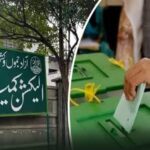
The recent elections in Azad Jammu and Kashmir have not only intensified the political atmosphere within the region but have also sent ripples through Pakistan’s federal capital, Islamabad. Allegations of electoral rigging, irregularities, violence, and political pressure have raised serious questions about the credibility of the electoral process. As a result, the debate is no longer limited to who won or lost the elections; it now extends to whether the political crisis in Kashmir could evolve into a challenge for the federal government.
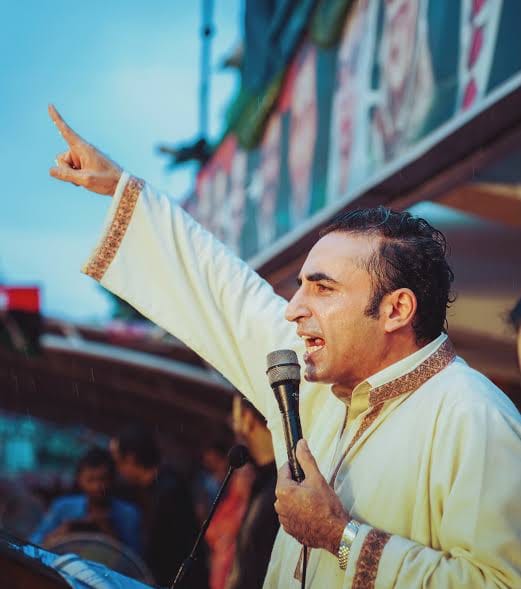
Recent statements by Pakistan Peoples Party (PPP) Chairman Bilawal Bhutto Zardari have sparked fresh political debate. His increasingly firm tone suggests that the PPP has significant reservations about the current coalition arrangement. Many party workers also believe that despite years of pursuing a policy of political reconciliation, they have not received the political recognition and importance they expected.
Following the elections in Azad Kashmir, the PPP claimed that its electoral mandate had been undermined in several constituencies, while Pakistan Tehreek-e-Insaf (PTI) boycotted the polls and questioned the credibility of the electoral process. However, in any democratic system, such allegations can only be established through credible evidence, legal proceedings, and investigations by the relevant institutions. If any political party possesses evidence of electoral irregularities, presenting it before constitutional and legal forums is the appropriate democratic course of action.
The federal government’s strength depends not only on a single political party but also on the support of its coalition partners. Should the PPP decide to withdraw its support, it could create political and parliamentary challenges for the government. Nevertheless, it would be premature to conclude that such a move alone would immediately bring down the government. It could, however, complicate legislation, budget approvals, parliamentary proceedings, and overall political stability.
Political observers believe that Jamiat Ulema-e-Islam (F) chief Maulana Fazlur Rehman may also play an important role in the evolving political landscape. If opposition parties begin to align on issues such as electoral transparency, constitutional supremacy, and democratic reforms, political pressure on the government could increase, even without the formation of a formal alliance.
At the same time, it is equally important for the government to seriously address the concerns of its coalition partners, ensure transparent investigations into electoral disputes, and keep the door open for political dialogue. In a democratic system, disagreements are best resolved through constitutional mechanisms, the rule of law, and negotiations rather than confrontation.
For Bilawal Bhutto Zardari, this also represents a significant political test. If he advances his position through constitutional, legal, and well-organized political strategies, it could become a defining moment in his political career. However, if strong rhetoric is once again followed by ambiguous political reconciliation, dissatisfaction among PPP workers may continue to grow.
Pakistan’s democracy is currently passing through a critical phase where the sanctity of the public vote, electoral transparency, constitutional supremacy, and public trust in state institutions have become central issues. Every allegation concerning the electoral process deserves a transparent and impartial response from the relevant institutions to restore public confidence.
The coming days may prove decisive for Pakistan’s political future. It remains to be seen whether political parties choose confrontation or pursue dialogue, reforms, and democratic stability. One thing is clear: Pakistan’s political landscape has reached a critical juncture, and the decisions made in the coming days could have far-reaching consequences for the country’s future.