Report: ANI
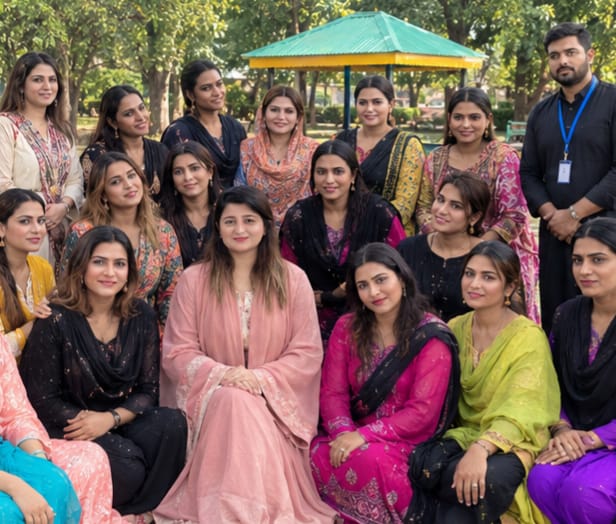
MUZAFFARABAD, AJK: Chairperson of the All Pakistan Media Council (APMC-ISB) Qurat ul Ain Ali Khawaja organised a two-day Transgender (Khawaja Sira) Rights and Awareness Session in Muzaffarabad, bringing community members together to discuss education, employment, healthcare, social inclusion, legal rights and access to public institutions.
The session, held at Jalalabad Garden, followed recent national-level discussions on transgender rights, including the Sindh Transgender Summit, and focused on bridging the gap between legal recognition and the realities faced by the Khawaja Sira community.
The first day focused on interaction with community members from Muzaffarabad, while the second day brought together participants from Muzaffarabad and surrounding areas. Participants from neighbouring areas, including Mansehra and Garhi Habibullah, also highlighted the regional nature of community networks and mobility.
According to official AJK statistics, the 2017 Census recorded only 152 transgender persons across the territory's 10 districts. Muzaffarabad recorded the highest figure at 41, followed by Kotli 25, Neelum 18, Mirpur and Bhimber 16 each, Bagh 12, Poonch 10, Haveli and Sudhnoti six each, and Jhelum Valley two.
The session noted that these figures should not necessarily be treated as the actual size of the transgender population, as stigma, reluctance to disclose identity and limitations in data collection can affect official counts.
Speakers stressed the need for AJK-specific research and reliable district-wise data covering education, employment, healthcare, identity documents, housing, social protection and access to vocational and professional training.
Education and economic independence emerged as key areas of concern. Participants emphasised that transgender individuals should have the freedom to pursue education and choose professions according to their abilities and interests, without discrimination or unnecessary restrictions.
The discussion also highlighted the complex role of community structures. Participants acknowledged that traditional support systems have historically provided protection, belonging and social support to Khawaja Sira individuals, while stressing that every person should retain freedom of choice regarding education, employment and participation in public programmes.
The session further underlined that responsibility for inclusion rests not only with the transgender community but also with wider society and public institutions. Discrimination in education, employment, healthcare and social life can deepen economic dependency and social exclusion.
Qurat ul Ain Ali Khawaja stressed the importance of moving beyond policy discussions towards practical measures that enable transgender persons to exercise their rights and access meaningful opportunities.
The engagement concluded with a call for better documentation, community participation, educational opportunities, vocational training, healthcare access and employment pathways for the Khawaja Sira community in AJK.
The central message of the session was that legal recognition must be accompanied by practical opportunities so that transgender individuals can pursue education, choose their professions and participate in society with dignity and without fear.