By: FT Reporter :
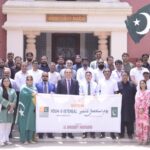
ISLAMABAD—Jamaat-e-Islami District Murree organized a two-day Tazkiya (Self-Purification) Training Camp for its members, workers, and local residents, bringing together senior party leaders and religious scholars to discuss moral reform, constitutional governance, and public welfare.
The camp was addressed by former Ameer Jamaat-e-Islami Pakistan Sirajul Haq, Deputy Ameer Liaquat Baloch, Professor Muhammad Ibrahim Khan, Dr. Osama Razi, Dr. Atta-ur-Rehman, Ameer Jamaat-e-Islami North Punjab Dr. Tariq Saleem, Deputy Secretary General Jamaat-e-Islami Pakistan Azhar Iqbal Hassan, Sheikh Usman Farooq, Rasul Khan Babar, Professor Dr. Habib-ur-Rehman Asim, Ameer Jamaat-e-Islami Murree Ghulam Ahmed Abbasi, and District Secretary General Hammad Mahmood Abbasi.
Addressing the participants, the speakers said that growing intolerance, corruption, injustice, hatred, and moral decline in society can only be addressed through adherence to the teachings of the Quran and Sunnah, self-purification, and the promotion of honest and principled leadership. They stressed that Pakistan’s security, stability, and development depend on the rule of law, constitutional supremacy, justice, integrity, and the implementation of Islamic values.
The speakers alleged that successive governments had pushed the country into multiple crises through constitutional violations, corruption, nepotism, and neglect of public rights. They said the people are facing severe economic hardship due to inflation, unemployment, rising electricity, gas and petroleum prices, and what they described as excessive taxation.
They announced that Jamaat-e-Islami will hold nationwide protests, demonstrations, and sit-ins on August 7 against the petroleum levy, increasing electricity tariffs, inflation, and what they termed unjust taxation. They urged the public to participate actively in the movement for the protection of their rights, relief from inflation, and meaningful public change.
The speakers also emphasized the need for a strong democratic system, an independent judiciary, transparent elections, empowered local governments, and the rule of law, stating that people across all four provinces continue to face a lack of basic facilities while corruption and administrative mismanagement remain widespread.