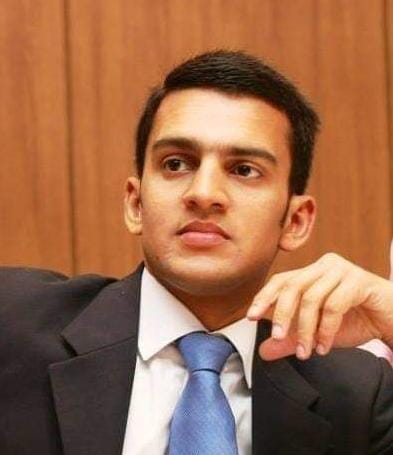
By: Prof. Dr Muhammad Naveed
Published By: ANI News Agency
For debt constrained economies, protecting girls' education is not merely a social obligation; it is an economic imperative.
When countries face mounting debt pressure, education is often among the first public investments to suffer. As debt servicing consumes scarce fiscal resources, girls particularly those from disadvantaged households risk losing access to education and the opportunities it creates.
But can a country achieve genuine fiscal sustainability by compromising the human capital essential to its future prosperity?
This question demands urgent attention from the World Bank Group and its president, Ajay Banga. A balanced budget is not a sustainable achievement if it comes at the expense of future generations.
Education cuts may provide short term fiscal relief, but their long-term consequences include weaker productivity, reduced female labour force participation, widening inequalities and slower economic growth. These losses can further undermine the fiscal stability governments seek to restore.
A concrete agenda for the World Bank Group
The World Bank Group must translate its commitment to gender equality into actionable safeguards for debt constrained economies. Three measures deserve priority.
First, establish a Girls' Education Protection Framework for countries undertaking major fiscal adjustment programmes. Working with governments and development partners, the Bank should help identify minimum essential education services, protect priority funding and monitor girls' enrolment, attendance and completion during economic crises.
Second, link debt sustainability assessments with human capital outcomes. Fiscal assessments should examine how proposed expenditure cuts affect education access, gender equality and long-term productivity. Where risks are substantial, the Bank should recommend alternative adjustment measures before essential educational opportunities are lost.
Third, mobilize financing that does not deepen debt vulnerability. The Bank should expand targeted grants, concessional financing and results-based support for girls' education, particularly in the most fiscally constrained countries. It should also work with bilateral and multilateral creditors to create fiscal space through timely debt restructuring where necessary, while strengthening domestic revenue mobilization and public expenditure efficiency.
These measures should be supported by transparent country level reporting, measurable targets and periodic public reviews. Governments must remain accountable for the effective use of resources, while development partners must demonstrate whether their interventions are protecting educational outcomes.Pakistan and the wider development challenge
For Pakistan and other debt constrained economies, these reforms are especially relevant. Governments face competing demands from debt servicing, education, healthcare, climate resilience and economic development. Yet sacrificing girls' education weakens the productive capacity needed to sustain long-term growth.
The World Bank Group can help bridge this gap by aligning debt policy, development finance and human capital protection within a coordinated national framework. Domestic fiscal reforms are indispensable, but international support must ensure that financial adjustment does not permanently undermine development prospects.
The question for Ajay Banga is therefore practical: Will the World Bank Group establish measurable safeguards to help countries meet their debt obligations without sacrificing girls' educational futures?
Debt sustainability must mean more than the ability to repay creditors. It must also mean preserving the human potential that drives productivity, resilience and prosperity.
A country may balance its books today, but if it mortgages its girls' futures to do so, the economic cost may endure for generations.