

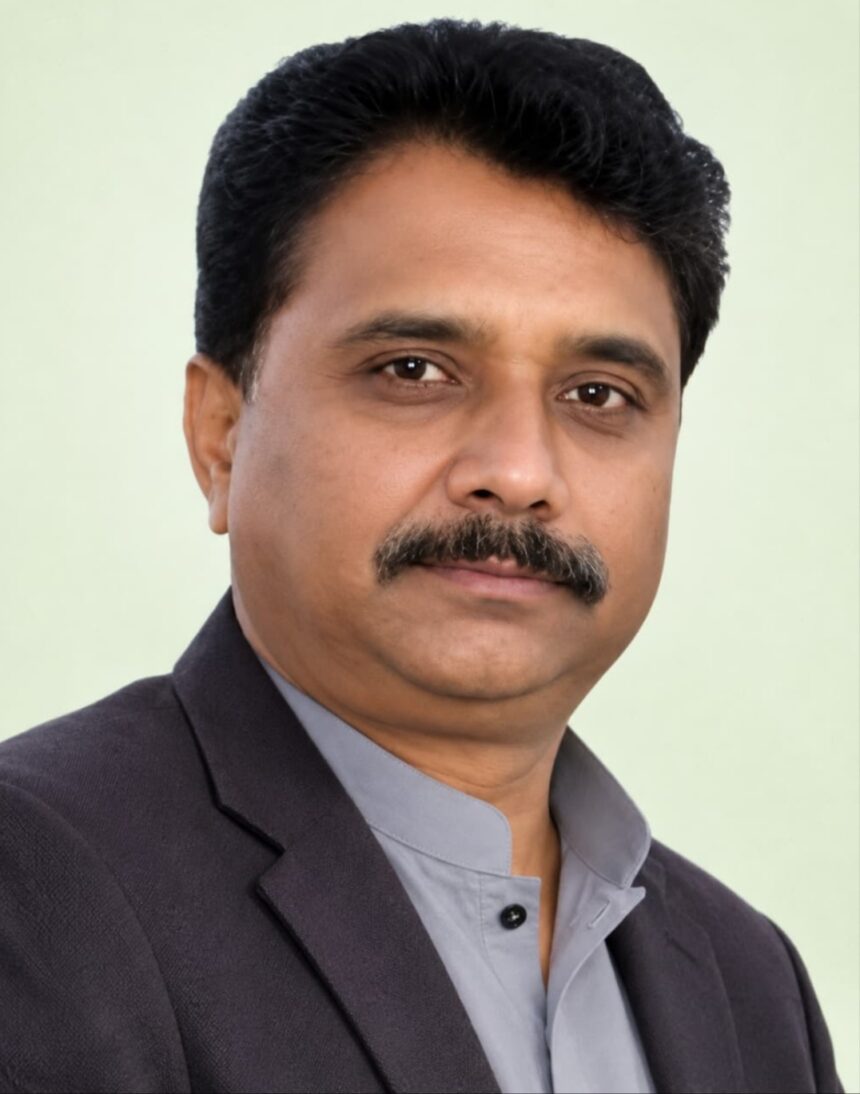
Written By: Ch. Shabbir Balocistani
Published By:ANI News Agency
Balochistan, Pakistan’s largest province by area, is endowed with immense natural resources and occupies a strategically vital geopolitical position. Yet, despite its enormous potential, the province has remained trapped in a cycle of insecurity, underdevelopment, weak governance, and a persistent sense of deprivation for decades. Successive governments have introduced various initiatives to restore peace, but experience has shown that security measures alone cannot deliver a lasting solution. Sustainable peace can only be achieved by restoring public confidence, strengthening democratic participation, and placing the people of Balochistan at the centre of national policymaking.
The challenges facing Balochistan extend far beyond law and order. They encompass political representation, economic justice, institutional effectiveness, and public trust. When citizens see that their natural resources are being utilised for their welfare, that their voices are genuinely heard, and that their elected representatives play a meaningful role in decision-making, the trust deficit between the state and the people begins to diminish.
The federal government must move beyond viewing Balochistan solely through the lens of security or administration. Instead, it should recognise the province as a cornerstone of Pakistan’s national unity and long-term economic prosperity. To achieve this objective, the Prime Minister should establish a permanent National Consultative Council on Balochistan, comprising parliamentarians from both the treasury and opposition benches, senators, tribal elders, academics, economists, youth representatives, business leaders, and members of civil society from across the province. Such a forum would provide direct feedback from the ground while formulating practical policy recommendations to address Balochistan’s longstanding challenges.
Experience also suggests that policymaking has often fallen short when provincial affairs were managed without sufficient understanding of Balochistan’s unique historical, tribal, cultural, and social realities. This observation is not intended to question the competence of leaders from other provinces; rather, it reflects the universal principle that local challenges are best understood by those with firsthand knowledge of local conditions. Greater reliance on Balochistan’s own political leadership is therefore essential for rebuilding confidence, strengthening institutions, and ensuring effective governance.
Political consultation must also extend across party lines. Balochistan’s challenges are not the concern of any single political party but a national responsibility requiring collective wisdom, bipartisan cooperation, and continuous dialogue.
The provincial government likewise has a critical role to play. Chief Minister Mir Sarfraz Bugti has demonstrated political energy and a willingness to address complex issues. However, no administration can succeed through individual leadership alone. Effective governance requires competent institutions, professional management, transparency, and evidence-based policymaking. The provincial government should establish an independent policy think tank comprising retired senior civil servants, economists, educationists, technology experts, industrialists, young professionals, and civil society representatives. Such an institution could provide continuous strategic guidance on governance reforms, education, healthcare, mineral development, agriculture, water management, investment promotion, digital governance, and public administration.
The provincial government’s overseas employment initiative was a positive step towards creating opportunities for young people. However, weak institutional capacity, governance shortcomings, and implementation gaps prevented many deserving youth from fully benefiting from the programme. By introducing merit-based recruitment, transparent digital systems, internationally recognised vocational training, and direct partnerships with overseas employers, the initiative could become a transformative source of employment and hope for Balochistan’s younger generation. Gainful employment remains one of the strongest safeguards against frustration, alienation, and instability.
Likewise, major development projects—including CPEC, Reko Diq, Gwadar Port, the mining sector, fisheries, agriculture, livestock, renewable energy, and tourism—must prioritise local employment, entrepreneurship, skills development, and community participation. Development funds should be allocated transparently according to public need rather than political expediency or personal preferences. Good governance is ultimately measured by whether the benefits of development reach ordinary citizens instead of remaining concentrated among a privileged few.
Equally important is improving access to education, healthcare, clean drinking water, digital connectivity, and quality public services in remote districts. Investments in human development are just as vital as investments in physical infrastructure. A well-educated, healthy, and skilled population is the strongest foundation for long-term peace and economic growth.
Today, Balochistan requires far more than roads and infrastructure. It needs justice, quality education, accessible healthcare, employment opportunities, institutional accountability, responsive governance, and equal opportunities for every citizen. If the federal and provincial governments jointly empower local leadership, expand opportunities for youth, encourage political dialogue, ensure equitable distribution of resources, and make public participation a central principle of governance, Balochistan can emerge not only as a peaceful province but also as one of the principal drivers of Pakistan’s economic future.
The solutions to Balochistan’s challenges will not be found solely in policy discussions held in Islamabad. They lie in listening to the voices of the people of Quetta, Gwadar, Khuzdar, Zhob, Turbat, Loralai, Nasirabad, and every district across the province. When decisions are shaped by public trust, when the federation genuinely prioritises Balochistan, and when the province’s resources contribute directly to the prosperity of its own people, the foundations of lasting peace, sustainable development, and national cohesion will become significantly stronger.
Balochistan cannot be understood from a distance. It must be understood by engaging with its people, respecting their aspirations, and making them equal partners in Pakistan’s future. Building trust, strengthening democratic institutions, ensuring transparent governance, and maintaining a sustained national commitment are not merely policy choices—they are essential prerequisites for a peaceful, prosperous, and united Pakistan.


Sustainable peace and development can only be achieved when the people of Balochistan are meaningfully included in decision-making and provided equal opportunities to contribute to the province’s progress. Chaudhary sb deserves appreciation for highlighting these important issues with clarity, balance and a constructive approach.