Fuel Prices Should Not Be a Tool for Sudden Revenue Generation Khalid Nawaz Sadhraich
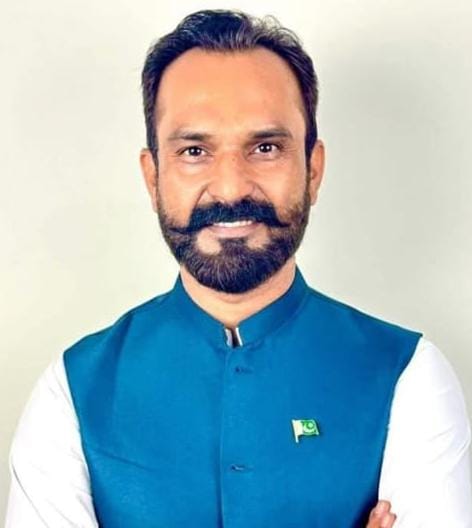
ISLAMABAD—Pakistan Tehreek e-Insaf (PTI) Farmers Wing Central Information Secretary Khalid Nawaz Sadhraich on Saturday called for the introduction of a transparent and rules based petroleum pricing mechanism following the government’s decision to increase petrol and high speed diesel prices by Rs13.80 per litre. In a statement, PTI Farmers Wing leader, while presenting a number of suggestions, said the government’s repeated reliance on petroleum price hikes to bridge its fiscal gap has become economically unsustainable and socially unjust. He said the government was quick to increase petroleum prices whenever international oil prices rose, but failed to provide corresponding relief to consumers when global oil prices declined, with domestic fuel prices often remaining unchanged. “Instead of treating petroleum products as a revenue generating tool, the government must adopt a transparent pricing mechanism that protects consumers, supports agriculture and industry, and restores public confidence in economic governance”, he added. Khalid Nawaz Sadhraich said the latest increase would have far reaching implications for agriculture, transport, industry and household budgets, as higher fuel prices generally lead to an increase in the cost of production and the prices of essential commodities. He said the agriculture sector, already grappling with rising input costs, would face additional pressure as diesel remained indispensable for operating tractors, tube wells, harvesters and transporting agricultural produce. He added that higher transportation costs would eventually be passed on to consumers in the form of increased food prices, further fueling inflation. Referring to the financial difficulties faced by farmers in recent months, he said wheat growers had already suffered losses due to low market prices, while the cost of fertilizers, pesticides, electricity and other farm inputs had increased substantially. The latest revision in petroleum prices, he said, would add to the production cost of both Kharif and Rabi crops. Sadhraich urged the government to replace the existing pricing mechanism with a transparent formula under which every fortnightly revision should be accompanied by the publication of a detailed breakdown of international oil prices, exchange rate adjustments, freight charges, refinery costs, oil marketing company margins, dealer commissions, petroleum levy and taxes. He stressed that any increase in the Petroleum Levy beyond a prescribed limit should require parliamentary approval instead of being imposed through executive decisions. He also proposed the adoption of a variable petroleum levy to reduce the impact of sudden increases in international oil prices on domestic consumers. Under such a mechanism, he said, government levies should be adjusted downward during periods of high global oil prices and restored gradually when international prices decline. The PTI Farmers Wing Spokesperson further called for the establishment of an independent petroleum price review committee comprising representatives of the relevant government departments, agricultural organizations, energy sector, and consumer bodies and to periodically review the pricing formula and ensure greater transparency. He suggested the creation of a strategic petroleum reserve to enable the country to purchase fuel during periods of lower international prices and utilize those stocks during episodes of global market volatility. He also called for targeted support for the agriculture and public transport sectors to minimize the impact of rising fuel costs on food production and the movement of goods and passengers. He said a transparent and predictable pricing mechanism would help improve public confidence, reduce uncertainty and ensure that petroleum prices reflected international market trends while safeguarding the interests of consumers and productive sectors of the economy.