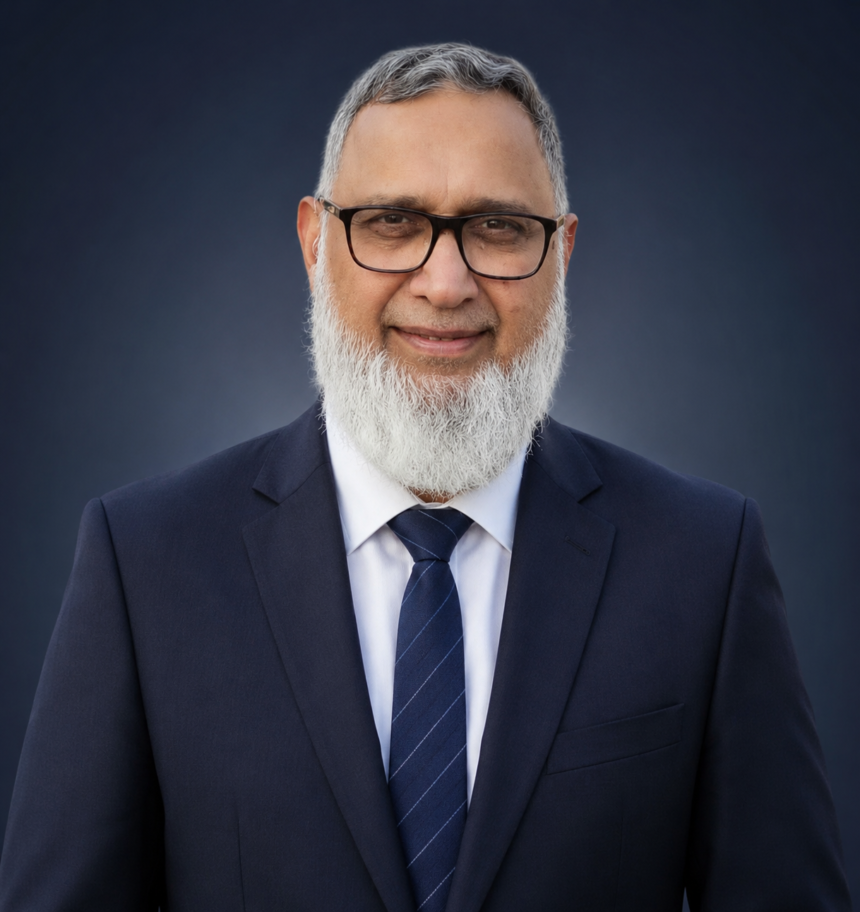
Written by: Mahmood Khan
Published By:ANI News Agency
Healthy Pakistan: Issues, Challenges and the Way Forward
A healthy nation is the foundation of a strong economy, a productive society and a stable state. Pakistan has a large and predominantly young population, a growing network of hospitals and thousands of trained doctors, nurses and health workers. Yet millions of Pakistanis still struggle to access affordable and quality healthcare. The challenge is not simply to treat diseases but to create a healthcare system that prevents illness, protects people from financial hardship and provides equal opportunities for good health.
Pakistan's health system faces several interconnected problems. One of the most serious is insufficient public investment in healthcare. Public hospitals and basic health facilities frequently suffer from shortages of medicines, equipment, doctors, nurses and other essential staff. While major cities have advanced private hospitals and specialist services, people in rural and remote areas often have limited access to even basic medical treatment. This urban-rural divide remains one of the greatest obstacles to achieving a healthy Pakistan.
Primary healthcare requires particular attention. Basic Health Units and Rural Health Centres should be the first point of contact for citizens, yet many are poorly equipped or inadequately staffed. Strengthening these facilities could reduce pressure on major hospitals and enable diseases to be detected and treated earlier. Preventive healthcare, vaccination, maternal services, nutrition programmes and health education should all be integrated into primary healthcare.
Maternal and child health is another major concern. Poverty, malnutrition, inadequate antenatal care, unsafe childbirth and insufficient access to trained healthcare professionals continue to place mothers and children at risk. Improving maternal healthcare requires trained midwives, better maternity facilities, regular antenatal check-ups and emergency referral systems, particularly in rural communities.
Pakistan also faces a serious nutrition crisis. Malnutrition, stunting, wasting, anemia and vitamin deficiencies can permanently affect children's physical growth, educational performance and future productivity. Tackling malnutrition requires more than distributing food. It requires clean water, sanitation, maternal education, food security and accessible healthcare.
At the same time, Pakistan is witnessing a growing burden of non-communicable diseases. Diabetes, heart disease, hypertension, cancer and obesity are increasingly affecting the population. Unhealthy diets, lack of physical activity, smoking, pollution and stress contribute to these problems. The country therefore needs a balanced health strategy that addresses infectious diseases while also preventing lifestyle-related illnesses.
Mental health is another neglected area. Poverty, unemployment, social pressures, family problems and insecurity can contribute to anxiety, depression and other psychological difficulties. However, mental illness remains surrounded by stigma, while professional services are limited. Mental healthcare should become part of mainstream healthcare, with counselling and psychological support available through schools, hospitals and community centres.
The first step towards a healthier Pakistan should therefore be a stronger preventive healthcare system. Prevention is cheaper and more effective than treating advanced disease. Schools should teach children about hygiene, nutrition, exercise and mental wellbeing. Public campaigns should promote vaccination, healthy diets, physical activity, tobacco control and regular medical screening.
The second priority should be affordable healthcare. Medical treatment should not force families into poverty. Pakistan needs stronger public health financing, effective health insurance schemes and targeted support for low-income households. Greater transparency is also necessary to ensure that health funds are used effectively.
Pakistan must also invest in its health workforce. Doctors, nurses, paramedics, community health workers and specialists should receive appropriate salaries, training and professional opportunities. Incentives should encourage qualified professionals to work in underserved rural and remote areas.
Technology can further improve healthcare delivery. Telemedicine can connect rural patients with specialists in major cities, while digital health records can improve continuity of care. Mobile technology can support vaccination programmes, disease surveillance and public health awareness.
Above all, Pakistan needs strong governance and accountability. Health policies should be long-term rather than changing with every government. Federal and provincial authorities need better coordination, while hospitals and health departments should be monitored against measurable standards. Medicines and equipment must reach those who need them, and absenteeism and corruption must be addressed.
A Healthy Pakistan cannot be created by hospitals alone. Health depends on clean water, nutritious food, education, employment, sanitation, environmental protection and social security. Healthcare should therefore be regarded as an investment in Pakistan's human capital rather than simply a government expenditure.
Pakistan's greatest strength is its people. If the country prioritises prevention, strengthens primary healthcare, improves maternal and child health, addresses malnutrition and mental health, controls non-communicable diseases and makes treatment affordable, it can build a healthier and more productive society.
The vision should be simple: a Pakistan where no child is denied nutrition, no mother is denied safe childbirth, no family is pushed into poverty by illness and no citizen is deprived of healthcare because of where they live or how much they earn. That is the foundation on which a healthier, stronger and more prosperous Pakistan can be built.