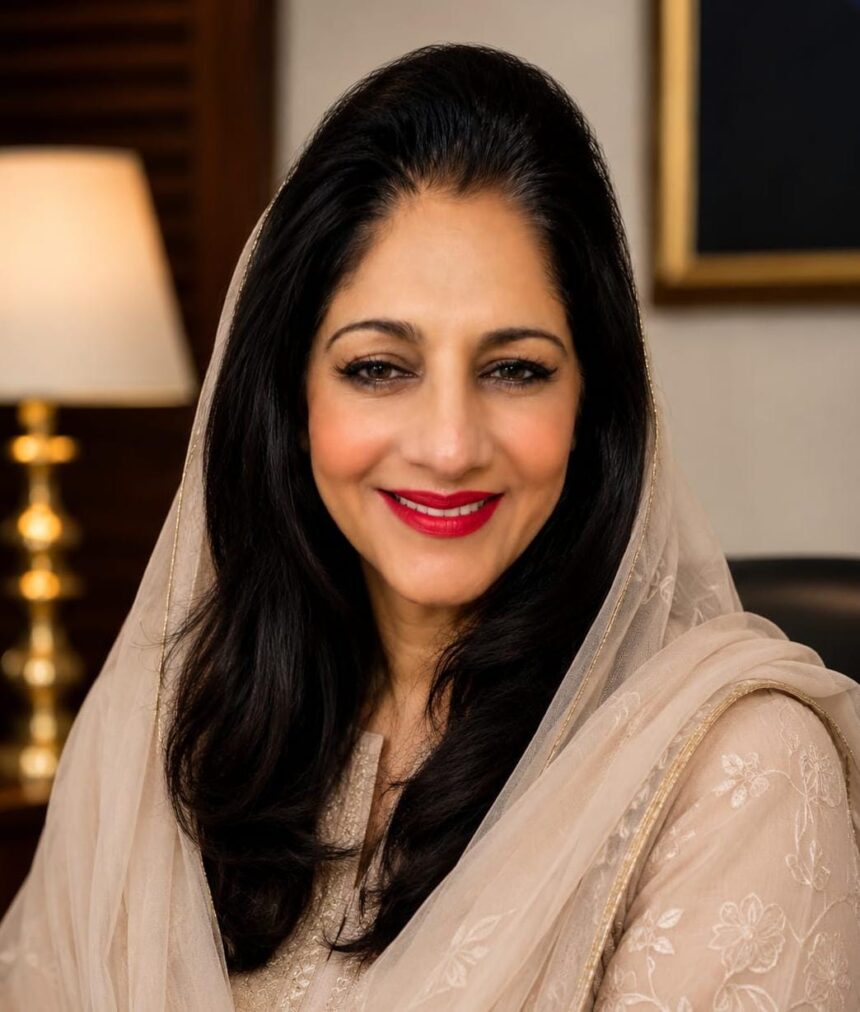
Written By: Sumblina Hassan
Former Secretary to Shaheed Mohtarma Benazir Bhutto
Former In-Charge, Office 10 (UK)
RCC Bilawal Bhutto:
Published By: ANI News Agency
Pakistan stands at a critical point in its history where economic stability and national unity are deeply connected. No country can achieve sustainable development if its people remain divided by political polarization, ethnic differences, or social inequality. Likewise, economic prosperity cannot be secured without peace, trust, and a shared national vision. For Pakistan, the road ahead requires strengthening both human unity and economic resilience simultaneously.
Pakistan has faced numerous economic challenges over the past decade, including inflation, unemployment, a growing public debt, and recurring balance-of-payments crises. While global economic uncertainties have contributed to these problems, domestic political instability and policy inconsistency have also slowed progress. Investors seek stability, businesses require predictable policies, and citizens need confidence in the future. National unity creates the environment where long-term economic reforms can succeed.
Human unity begins with recognizing that every citizen, regardless of province, ethnicity, language, or religion, has an equal stake in Pakistan’s future. Diversity is one of the country’s greatest strengths. When people feel included and respected, they are more willing to contribute to national development. Governments, educational institutions, media, and civil society all have a responsibility to promote tolerance, dialogue, and mutual respect instead of division.
Economic stability depends on strengthening productive sectors of the economy. Agriculture remains the backbone of Pakistan, while manufacturing, information technology, tourism, and renewable energy offer tremendous opportunities for growth. Supporting small and medium-sized enterprises (SMEs), encouraging entrepreneurship, and creating a business-friendly environment can generate employment and expand exports. Digital transformation and innovation should become central pillars of Pakistan’s economic strategy.
As Pakistan embraces digital innovation and artificial intelligence, including technologies such as ChatGPT, it is essential that technological advancement is guided by strong ethical principles and responsible governance. Innovation must remain human-centred, ensuring that it strengthens rather than replaces the human element. It should protect vulnerable communities, support entrepreneurs and young innovators, and operate within a robust legal framework that safeguards the public interest. Any major technological advancement should be evaluated through clear criteria that balance economic growth with social responsibility, ensuring that digital progress enhances productivity while remaining inclusive, transparent, and accountable. Nothing should be allowed to develop without appropriate oversight, as only responsible innovation can safely raise the bar for sustainable economic development and long-term national prosperity.
Education and skill development are equally essential. A young population can become Pakistan’s greatest economic advantage if provided with quality education, vocational training, and opportunities for innovation. Investment in human capital not only improves productivity but also reduces poverty and social inequality. A skilled workforce attracts foreign investment and strengthens national competitiveness in global markets.
Good governance plays a decisive role in achieving both unity and economic progress. Transparency, accountability, and merit-based institutions build public trust. Fighting corruption, simplifying business regulations, and ensuring fair implementation of laws create confidence among investors and citizens alike. Strong institutions are more important than short-term political gains.
The overseas Pakistani community also represents an invaluable national asset. Beyond remittances, the diaspora contributes knowledge, investment, technology, and international networks. Creating policies that encourage overseas Pakistanis to invest in industry, education, and innovation can significantly strengthen the national economy.
Social protection programs must accompany economic reforms. Inflation and economic adjustments often affect low-income families the most. Expanding targeted support, improving healthcare, and ensuring food security help maintain social cohesion while protecting vulnerable communities. Inclusive growth ensures that economic progress benefits all segments of society.
Climate resilience has also become an economic necessity. Pakistan’s agriculture, water resources, and infrastructure are increasingly vulnerable to climate change. Investing in sustainable development, water conservation, renewable energy, and disaster preparedness will reduce long-term economic risks while creating new employment opportunities.
At the same time, Pakistan should strengthen its independent scientific and research capabilities to better understand the causes and consequences of climate change. A dedicated national scientific body, comprising climate experts, environmental scientists, and research institutions, should be empowered to investigate changing weather patterns using credible scientific evidence and internationally accepted research methodologies. Public concerns regarding emerging technologies, weather modification techniques, and commercial activities that may affect the environment should be examined through transparent, evidence-based inquiry. The government should work closely with academia, scientific institutions, and responsible private-sector partners to develop policies that protect Pakistan’s environmental, economic, and national interests. Effective legislation, regulatory oversight, and scientific cooperation will ensure that innovation serves the public good while safeguarding the country against environmental risks and exploitation.
The media has an important role in promoting national unity by encouraging constructive dialogue, fact-based reporting, and responsible journalism. Instead of amplifying division, media organizations should highlight success stories, innovative solutions, and examples of cooperation across communities. Public discourse that focuses on solutions rather than conflict strengthens democratic institutions and national confidence.
Ultimately, Pakistan’s future will not be determined solely by economic statistics or political transitions, but by its ability to unite its people behind a common national purpose. Economic stability and national unity are not separate ambitions—they are mutually reinforcing pillars of sustainable development. By investing in human capital, strengthening democratic institutions, embracing innovation, ensuring social justice, and fostering a culture of tolerance and accountability, Pakistan can transform its challenges into opportunities. The road ahead demands collective responsibility, visionary leadership, and unwavering public trust. If these foundations are nurtured, Pakistan can emerge as a stronger, more prosperous, and more resilient nation, capable of securing lasting progress for generations to come.