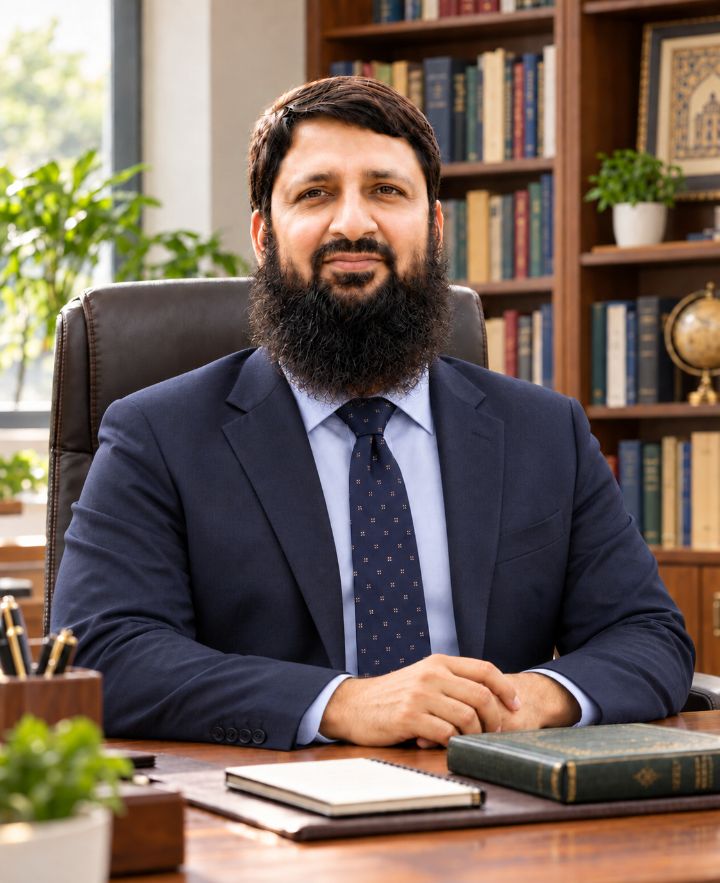
By Dr. Abdul Ghani :
E.Mail: ghanillm@yahoo.com
Published by ANI :
A nation often discovers the true value of security only after losing it. The school bell, the marketplace and the journey home depend on a state capable of protecting its people. When that protection collapses, roads become dangerous, institutions lose authority, and families begin measuring their future by the possibility of survival.
The experiences of Iraq, Libya and Syria deserve attention in Pakistan. Their tragedies had different causes, including foreign intervention, authoritarian rule, political exclusion and institutional decay. Yet they convey a shared warning: when credible national security institutions collapse, sovereignty weakens and ordinary citizens bear the consequences.
Iraq offers a sobering example. Following the United States-led invasion in 2003, the Coalition Provisional Authority issued Order No. 2 on 23 May, dissolving the Iraqi armed forces and other security institutions. The sequence matters: invasion preceded dissolution. Subsequent events demonstrated the enormous difficulty of restoring order after dismantling the machinery of national security.
The British Iraq Inquiry identified the dissolution as a decision that significantly contributed to Sunni alienation and the development of insurgency. It removed an institutional framework when Iraq urgently needed security and a credible transition. The experience illustrates the danger of destroying existing structures without establishing an effective, legitimate replacement.
Libya presents another disturbing lesson. Its prolonged crisis demonstrates the consequences of fragmented armed power. In its 2024 report, the United Nations Panel of Experts described the extensive influence of armed groups, divisions within the security sector, and the destabilising presence of foreign fighters and private military companies.
Libya’s suffering highlights the importance of a unified security system serving the entire nation. Weapons alone cannot guarantee sovereignty. They require institutions grounded in discipline, public legitimacy and responsibility. When armed organisations pursue competing interests, citizens are left seeking protection between rival centres of power.
Syria shows how an army can retain its uniforms and equipment while losing its internal strength. Reuters’ investigation into the collapse of Bashar al-Assad’s forces in December 2024 described corruption, poor pay, exhausted personnel, weak morale and dependence on foreign allies. The military disintegrated during the rebel offensive after years of war.
Together, these cases demonstrate that national defence requires more than military hardware. Professional leadership, integrity, soldiers’ welfare and public confidence are essential. Corruption and distorted priorities weaken institutions from within. A durable military must remain connected to the nation it serves.
For Pakistan, these lessons reinforce the importance of respecting and sustaining a professional Army. Military service involves separation from family, difficult terrain, uncertain deployments and the possibility of never returning home. Behind every fallen soldier is a household carrying an immeasurable loss. Recognising that sacrifice expresses national gratitude.
Pakistan’s international peacekeeping service also deserves recognition. On Pakistani Peacekeepers’ Day in 2016, United Nations Secretary-General Ban Ki-moon acknowledged Pakistan’s consistent contribution since its first deployment to the Congo in 1960. He praised Pakistani military and police personnel for their professionalism and contributions to security in countries including Liberia and Côte d’Ivoire.
For those who regard Pakistan’s existence and dignity as a blessing from Allah Almighty, gratitude must inspire responsibility. We honour that blessing by strengthening the institutions and values that protect our country. The Army shares this responsibility with other armed services, police, civilian institutions and resilient citizens.
Our youth have a particularly important role. They should study these histories carefully, recognise the sacrifices behind national security and verify information before sharing it. Thoughtful citizenship requires informed discussion, respect for service and commitment to Pakistan’s future. Education and constructive participation give patriotism practical meaning.
Respect for the Army should encourage professionalism, competence and integrity. Responsible scrutiny and institutional dignity can coexist. Correcting weaknesses helps protect institutions, while recognising service strengthens public confidence. National unity grows through trust, fairness and shared responsibility.
Pakistan’s security also depends on economic strength, education, justice and political stability. Soldiers defend territory, while effective public institutions help citizens build secure futures. A capable military and a confident society reinforce one another.
Credible defence makes aggression more costly and creates space for diplomacy, but no country is invulnerable. Confidence must rest on preparedness, sound judgement and cohesion. Military strength ultimately serves peace and protects national decision-making from coercion.
The deepest lesson of Iraq, Libya and Syria is the human cost of institutional collapse. Pakistan must cherish its sovereignty, honour its soldiers and inspire its youth to strengthen national unity. The finest tribute to those who guard Pakistan is a country worthy of their sacrifice, just towards its citizens and strong enough to preserve its peace.