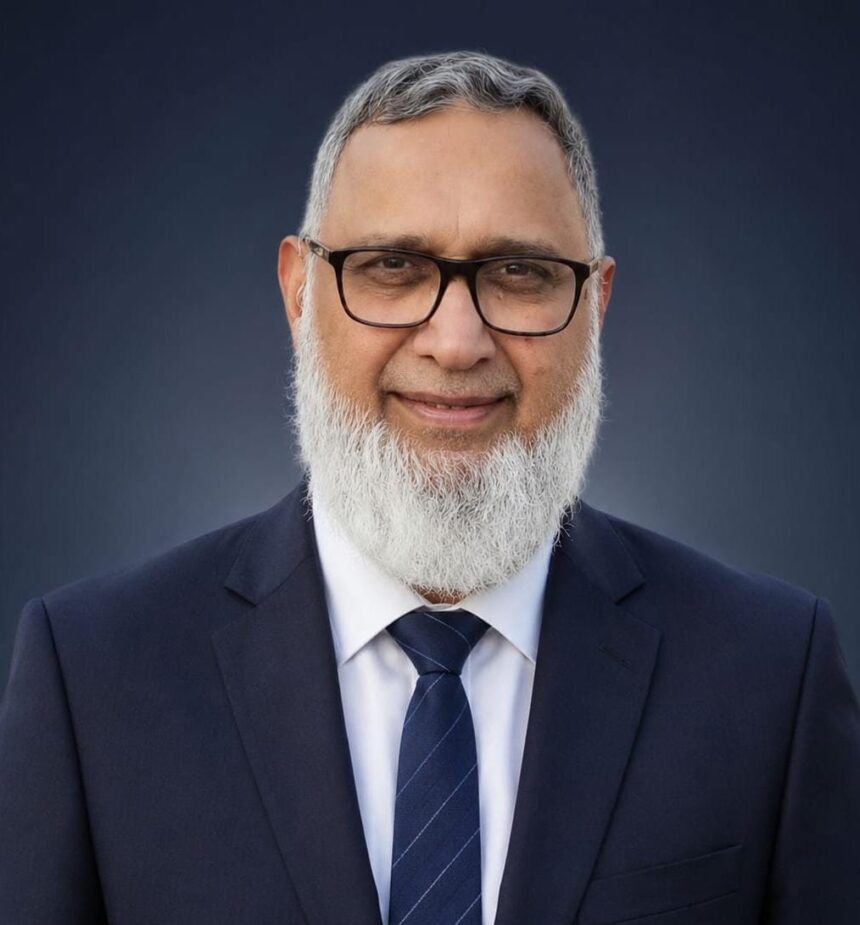
By: Mahmood Khan
Published By: ANI News Agency
The story of the Pakistani diaspora in Britain is often told through two contrasting narratives: one of remarkable achievement and the other of persistent challenges. The reality, however, is far more complex. It is a story shaped by sacrifice, resilience, cultural identity and the continuing struggle to achieve a genuine sense of belonging.
For decades, generations of Pakistanis in the United Kingdom have worked tirelessly to build better lives for themselves and their families. From the industrial towns of Northern England to the bustling streets of London, the first generation arrived with modest expectations but immense determination. Many took on demanding jobs, endured difficult working conditions and made considerable personal sacrifices to secure a better future for their children. In many respects, their efforts laid the foundations for a lasting contribution to British society.
Yet, despite these achievements, integration remains an unfinished process.
In parts of Bradford, Birmingham and London, the concentration of communities sharing similar cultural, linguistic and religious backgrounds is clearly visible. Such neighbourhoods provide a sense of familiarity, preserve cultural traditions and strengthen community ties. However, they also raise an important question: can the preservation of cultural identity coexist with meaningful social integration, or does prolonged separation risk limiting interaction with wider British society?
The debate surrounding “parallel lives” extends beyond academic discussion. Limited engagement between communities can reinforce social divisions and restrict access to broader educational, professional and social opportunities. When people have few opportunities to interact beyond familiar social circles, misunderstandings can persist and mutual trust can become more difficult to establish.
However, attributing these challenges solely to the Pakistani community would present an incomplete and unfair assessment. Integration is a two-way process that requires commitment not only from minority communities but also from the wider society and its institutions.
British society has its own responsibilities. Islamophobia, discrimination in employment and the persistence of negative stereotypes in parts of the media can undermine the sense of belonging among British Pakistanis. For a young person who has grown up in Britain, received a British education and contributed to the country’s economy, being repeatedly treated as an outsider can be deeply discouraging. Such experiences can weaken trust in institutions and make the process of integration more difficult.
Perhaps the most sensitive aspect of this debate is the question of identity.
For many second- and third-generation British Pakistanis, identity is not a simple choice between two cultures. They are British by birth, education and lived experience, while maintaining meaningful connections with their Pakistani heritage, cultural traditions and religious beliefs. This dual identity can be a source of strength, offering a broader perspective and the ability to navigate different cultural environments. Nevertheless, it can also create tensions, particularly when social expectations from different communities appear to conflict.
The question of belonging, therefore, is not merely philosophical. It is a personal concern for individuals seeking recognition and acceptance without being required to abandon an important part of who they are.
At the same time, an honest discussion must acknowledge challenges within the community itself. Educational disadvantage in some areas, gender inequality, restrictive social expectations and resistance to necessary change can limit individual potential and wider progress. These issues should not be generalised to the entire Pakistani population, but neither should they be dismissed when they arise. Constructive dialogue, investment in education and greater opportunities for women and young people are essential to addressing them.
Avoiding difficult conversations may preserve appearances, but it does little to resolve underlying problems. Meaningful progress requires the willingness to recognise shortcomings while building on the community’s considerable strengths.
Equally important, however, is the success story that often receives less attention.
Across the United Kingdom, British Pakistanis are making significant contributions as doctors, lawyers, journalists, entrepreneurs, academics, public servants and politicians. They are creating businesses, advancing scientific and professional knowledge, participating in public life and contributing to the country’s cultural and economic development. Their achievements challenge simplistic stereotypes and demonstrate that cultural heritage and national belonging are not mutually exclusive.
These contributions deserve recognition not as exceptions to a prevailing narrative, but as an integral part of contemporary British life.
Moving forward, both the Pakistani community and British society must play their part. Community leaders, families and educational institutions should encourage academic achievement, broader social engagement, gender equality and openness to positive change. Young people should be supported in developing the confidence to participate fully in British society while maintaining meaningful connections with their heritage.
At the institutional level, public authorities, employers, schools and the media must work towards equal opportunities, fair treatment and greater representation. Tackling discrimination and challenging stereotypes are not simply matters of social courtesy; they are necessary steps towards building a society in which people are judged by their abilities, character and contributions rather than their background.
Ultimately, integration should not be confused with assimilation. It does not require individuals to abandon their language, culture or religious beliefs, nor should it encourage communities to remain isolated from the wider society. Genuine integration means creating opportunities for meaningful interaction, mutual respect and shared responsibility.
The real question, therefore, is not whether British Pakistanis can integrate. Many have already demonstrated that they can contribute, participate and thrive across every sphere of national life. The more fundamental question is whether British society can fully recognise and embrace them as an established and valued part of its national story.
The journey towards integration cannot be completed by one community alone. It requires a collective commitment to fairness, inclusion and a shared sense of belonging. Britain’s future will be stronger when its citizens can celebrate their diverse backgrounds while working towards common aspirations.
Until that balance is achieved, the story of Pakistani integration in Britain will remain unfinished not because progress has failed, but because the promise of genuine inclusion has yet to be fully realised.