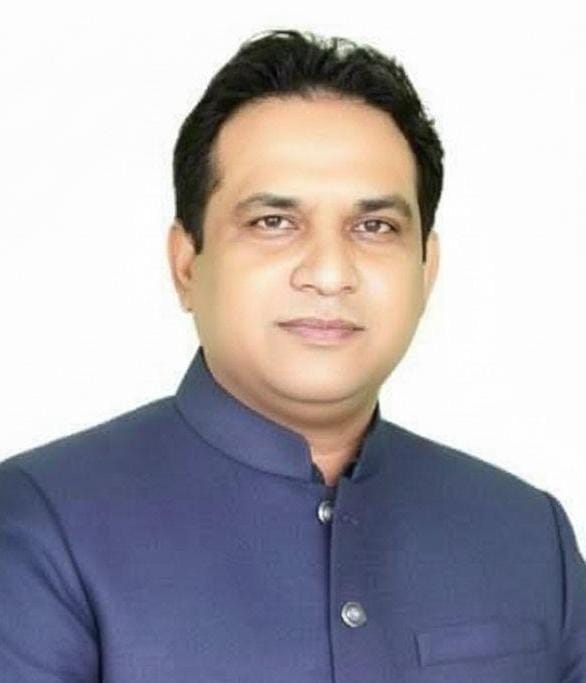
Written by: Rana Farooq Ashraf : Published by ANI
In a country like Pakistan, where national security, geopolitical realities, internal stability and external challenges remain closely interconnected, changes in military leadership, promotions and command structures naturally attract considerable public attention. Yet in a mature state, such developments should be viewed primarily through the lens of institutional continuity, merit, professional competence and established legal procedures rather than through the personalities involved.
October 2022 provides an important example. At that time, twelve major generals of the Pakistan Army were promoted to the rank of lieutenant general. The promotions were significant not only because of the seniority of the officers involved, but also because they formed part of the normal process through which the Army maintains its senior leadership pipeline and prepares for future command responsibilities.
The fundamental question, therefore, is not about any individual but about the strength of the institutional process. Professional armed forces around the world depend upon systems of promotion, evaluation and appointment designed to identify officers with the required experience, competence, leadership qualities and professional record. Pakistan’s military promotion boards are part of this institutional framework.
The importance of such continuity has become even greater because Pakistan today faces a complex security environment. Challenges along the eastern and western borders, terrorism, instability in parts of the country, developments in Afghanistan, economic pressures and rapidly changing regional geopolitics have expanded the meaning of national security. Modern security policy can no longer be confined to conventional military preparedness; it requires diplomacy, economic resilience, intelligence cooperation and strategic partnerships.
It is in this wider context that the leadership of Field Marshal Syed Asim Munir deserves attention. His leadership style has been characterised by discipline, decisiveness and an emphasis on strategic thinking. His approach reflects an understanding that Pakistan’s security interests cannot be separated from the broader political, economic and geopolitical environment. The real test of strategic leadership is not merely the ability to respond to a crisis, but the capacity to anticipate emerging challenges and prepare institutions for them.
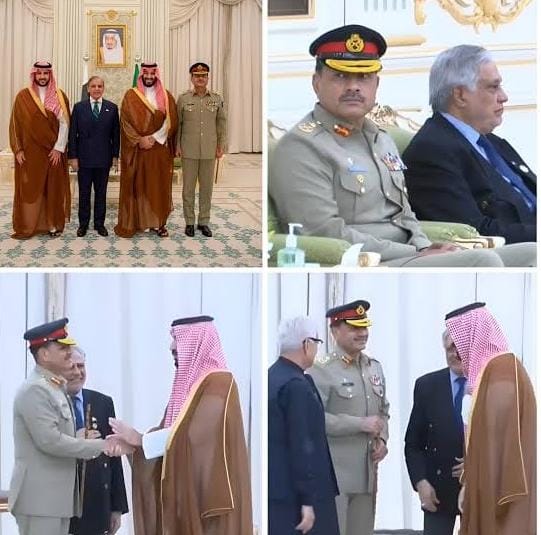
Pakistan’s growing defence diplomacy has also assumed greater significance during this period. The mutual defence agreement signed between Pakistan and Saudi Arabia in 2025 represented an important development in the longstanding defence and security relationship between the two countries. The agreement provided a more structured framework for strengthening bilateral security cooperation.
The strategic relationship has continued to evolve. Pakistan’s defence engagement with Saudi Arabia and Türkiye reflects a broader effort to develop partnerships based on mutual security interests, defence cooperation, counterterrorism capabilities, training and strategic coordination. Such relationships are particularly important at a time when the security architecture of the region is undergoing rapid transformation.
Pakistan’s strategic importance is also shaped by its geography. It sits at the intersection of South Asia, Central Asia and the Middle East, while maintaining important relationships with China, the Gulf states, Türkiye and the wider Muslim world. A prudent foreign and defence policy therefore requires Pakistan to maintain strategic balance while protecting its sovereignty and national interests.
The internal dimension is equally important. Pakistan’s long-term security cannot be separated from economic stability, political stability, social cohesion and effective governance. Countering terrorism, strengthening the economy, attracting investment and improving institutional coordination are all components of national security. A strong economy, in particular, is essential for sustaining defence preparedness and strategic independence over the long term.
This is why the broader vision of the present military leadership should be assessed not simply through military developments but also through its understanding of Pakistan’s changing strategic environment. Defence diplomacy, regional partnerships and national security policy must ultimately serve the larger objective of a stable, prosperous and sovereign Pakistan.
The age of social media has, however, created a new challenge. Speculation about military appointments, promotions and retirements can become a national debate within hours. Responsible journalism requires a clear distinction between verified information and speculation. Until a promotion, appointment or retirement is formally announced by the relevant institution, claims circulating on social media should be treated with caution.
The strength of the Pakistan Army, like that of any professional institution, lies in its ability to continue functioning regardless of changes in individual leadership. Officers are promoted, assume new responsibilities and eventually retire, while the institutional structure remains intact. This continuity is not a sign of weakness; it is one of the clearest indicators of institutional maturity.
Pakistan therefore needs to look beyond temporary controversies and personalities. The real measure of national strength lies in the resilience of institutions, the professionalism of leadership, the quality of decision-making and the ability to protect national interests in an increasingly uncertain world.
The challenge before Pakistan is to combine defence preparedness with economic strength, internal stability and effective diplomacy. If these elements move together, Pakistan can strengthen its position as a responsible and strategically important state.
Ultimately, nations are not strengthened merely by weapons or individual personalities. They are strengthened by institutions capable of surviving transitions, leaders capable of taking difficult decisions, and policies designed around long-term national interests. Institutional continuity, professional merit and strategic foresight must therefore remain the guiding principles of Pakistan’s future.
Pakistan Zindabad