Report: ANI :
RAWALPINDI– Renowned intellectual, educationist and former Vice-Chancellor of Balochistan University of Engineering and Technology, Khuzdar, Brigadier (Retd) Dr. Muhammad Amin has called for an end to human rights violations in Kashmir and Palestine, emphasizing the people's right to self-determination.
Addressing a Think Tank Forum organized by the Institute for Strategic Diplomacy and Peace, he said lasting solutions to global conflicts could only be achieved through diplomacy, dialogue, effective strategies and mutual understanding rather than the use of force.
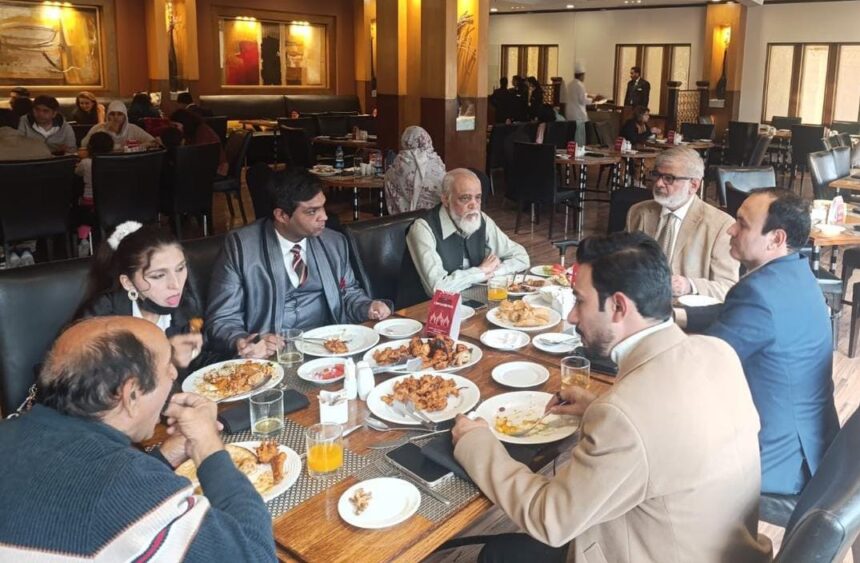
The forum was hosted by Raja Waqas Javed, President of the Institute for Strategic Diplomacy and Peace. Participants included Dr. Muhammad Tahir Tabassum, President of the Institute of Peace and Development (INSPAD), businessman Sartaj Alam, Zafar Abbas, CEO of Yasin Group of Companies, Salma Waqas, CEO of SK Fashion Brand and human rights activist, and Muhammad Aqeel Khan, Director INSPAD.
Dr. Amin stressed the importance of women's and youth participation in national development, decision-making, education and economic activities. He also called for national unity, institutional stability and collective responsibility.
Dr. Muhammad Tahir Tabassum emphasized that lasting peace requires justice, interfaith dialogue, religious harmony, tolerance, transparent governance, modern education and an effective justice system.
Sartaj Alam highlighted the importance of educating young generations about national history, the sacrifices of their forefathers and patriotism, while providing them opportunities to contribute to national development.
Zafar Abbas stressed the need for a business-friendly environment, simplified government procedures and one-window facilities to attract domestic and foreign investment.
Salma Waqas underlined the importance of equal opportunities for women and their active participation in social and national development.
In his concluding remarks, Raja Waqas Javed said the forum would bring together intellectuals, experts and policymakers to discuss national challenges, develop practical solutions and promote constructive engagement with relevant authorities.