BY: Hurish Shah FT :
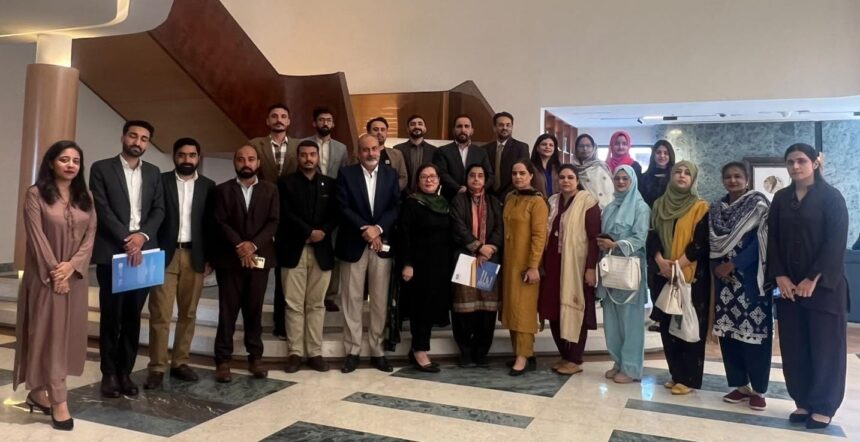
ISLAMABAD– The Centre for Peace and Development Initiatives (CPDI) organized an advocacy workshop for journalists titled “Eliminating PHOs for a Healthier Pakistan,” bringing together health researchers, public health experts and policy advocates to discuss the growing consumption of Partially Hydrogenated Oils (PHOs) and the need for a comprehensive legislative ban in Pakistan.
The workshop aimed to highlight the health risks associated with PHOs and develop a strategic roadmap for their complete prohibition.
At the opening session, Hafsa Bibi, Project Assistant, welcomed the participants and outlined the objectives of the workshop. Shahzad Iqbal, Program Manager CPDI, stressed the need for immediate government intervention to prevent harmful industrial fats from entering the country's food supply.
During the technical session, public health expert Munawar Hussain explained that PHOs are a major source of artificial trans fatty acids, which increase LDL (bad cholesterol) and reduce HDL (good cholesterol), raising the risk of cardiovascular diseases and atherosclerosis.
Dr. Saba Amjad, CEO of Heartfile, said research links excessive PHO consumption with type 2 diabetes, obesity, chronic inflammatory conditions, hormonal imbalances and an increased risk of breast cancer among women. She urged Pakistan to follow World Health Organization (WHO) recommendations and introduce a comprehensive legal ban on PHOs.
In the concluding session, Nosheen Khurram, Manager Communications CPDI, highlighted the important role of journalists in promoting public awareness and supporting policy reforms.
Participants called for comprehensive legislation banning PHOs across the national food supply chain, evidence-based public awareness campaigns, stronger collaboration with medical experts and civil society organizations, and enhanced cooperation with international bodies, including the WHO.
CPDI announced that it would continue its nationwide advocacy campaign through capacity-building workshops involving various stakeholders to promote healthier food policies and protect the long-term well-being of Pakistani citizens.