Report: ANI :
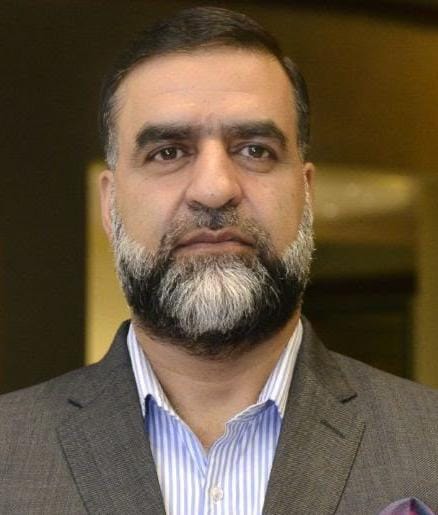
ISLAMABAD: Senior leader of the All Parties Hurriyat Conference (APHC) and Chairman of the Jammu Kashmir Salvation Movement (JKSM), Altaf Ahmed Bhat, has paid glowing tribute to the martyrs of Jammu on November 6, describing the 1947 massacre of Muslims as one of the darkest chapters in Kashmir’s history.
In his statement, Bhat said that the mass killings and forced displacement of Muslims in Jammu during October and November 1947 devastated communities and uprooted countless families. He said the tragedy remained an unforgettable part of the history of the Kashmiri people.
He stated that the sacrifices of hundreds of thousands of martyrs and displaced Kashmiris were deeply connected with the shared history of Pakistan and Kashmir and must never be forgotten.
Bhat said that the greatest tribute to the martyrs would be unity, commitment and sustained peaceful efforts to secure the Kashmiri people's right to self-determination.
He urged Hurriyat leadership, political organisations, overseas Kashmiris, intellectuals, journalists and younger generations to set aside their differences and adopt a coordinated strategy to highlight the Kashmir dispute at the United Nations and other international forums.
Emphasising the role of the Kashmiri diaspora, he called upon overseas communities to use their parliamentary, diplomatic, academic and media connections to raise international awareness and advocate a peaceful settlement in accordance with relevant UN Security Council resolutions.
Bhat also urged the United Nations, the Organisation of Islamic Cooperation (OIC) and international human rights organisations to acknowledge the historical tragedy of Jammu, support an impartial examination of the 1947 massacres and play an effective role in protecting human rights and advancing a lasting resolution of the Kashmir dispute.
Concluding his statement, Bhat said that the martyrs of Jammu had left behind a legacy of courage and resilience, calling upon Kashmiris to remain united and continue peaceful efforts until they could exercise their right to self-determination.