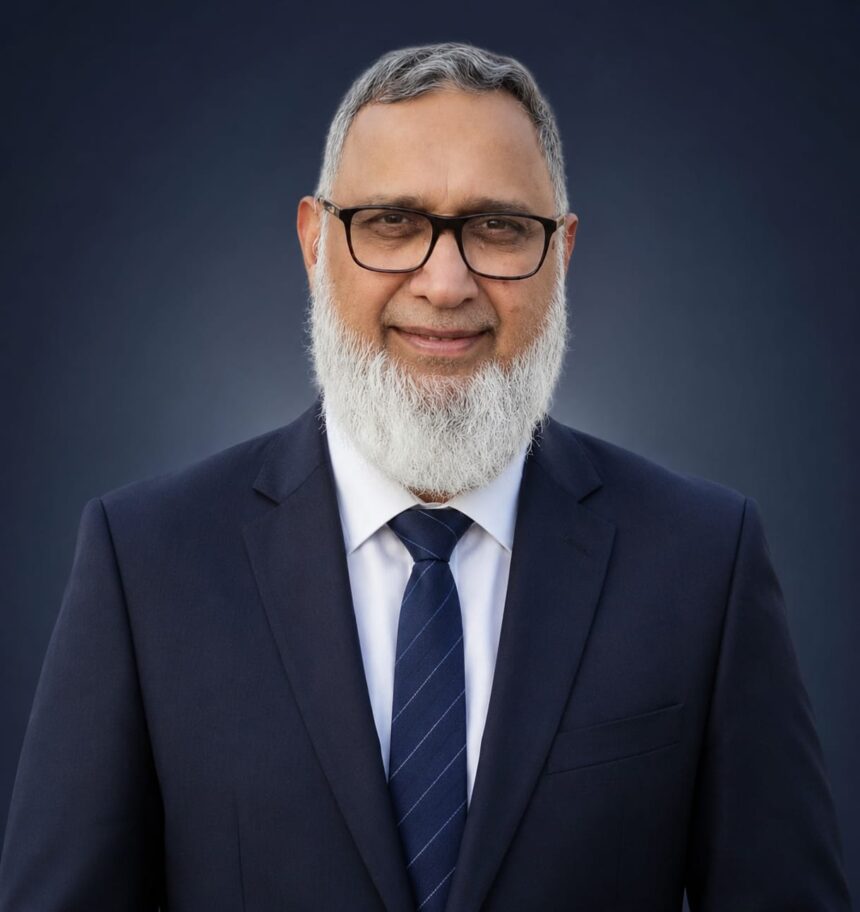
By: Mehmood khan
Published By: ANI News Agency
Education is the foundation of national progress, economic prosperity and social development. In the modern world, where artificial intelligence, digital technology and scientific innovation are transforming societies, education systems must prepare young people for the challenges of the future. Unfortunately, Pakistan’s education system continues to struggle to meet these demands. Despite possessing a large youth population and considerable human potential, the country has failed to establish an education system that consistently produces skilled, innovative and competitive graduates.
The crisis is not simply a shortage of schools or universities. It reflects outdated teaching methods, unequal opportunities, inadequate investment, weak governance and a growing gap between education and employment.
One of the principal weaknesses of Pakistan’s education system is its dependence on traditional teaching methods. Students are frequently encouraged to memorise textbooks rather than understand concepts, think critically or solve practical problems. Examinations often reward memorisation instead of creativity, analytical ability and independent thinking.
Modern education must encourage students to question, investigate, experiment and develop solutions. Pakistan needs to move away from rote learning towards a system that promotes scientific reasoning, communication, research and innovation. Without these fundamental changes, students will continue to struggle in an increasingly competitive global economy.