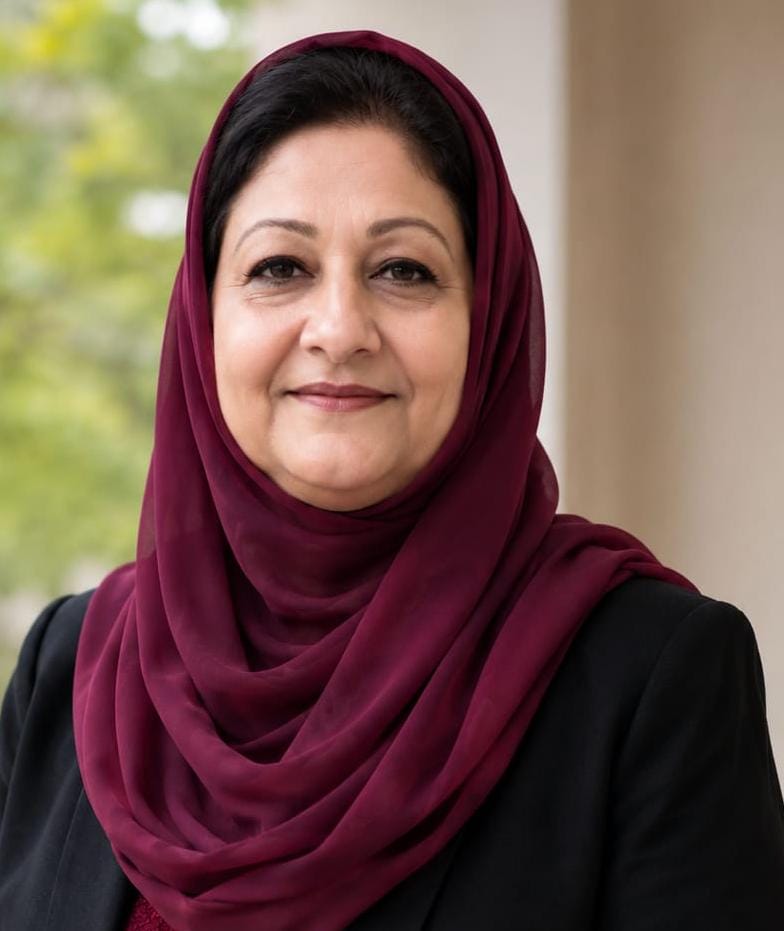
BY:Ms Yasmeen Asad
Published By:ANI
In today’s world, women are making remarkable contributions in every field. They are doctors, teachers, journalists, entrepreneurs, engineers, civil servants, and business leaders. Alongside their professional achievements, many continue to shoulder the majority of household responsibilities. This “double burden” of paid work and unpaid domestic labour remains one of the greatest challenges facing working women across the world, including Pakistan.
A woman’s contribution to her family has always been invaluable. Managing a home, caring for children, supporting elderly family members, preparing meals, and maintaining the household are responsibilities that require time, energy, and emotional commitment. These tasks are essential to the well-being of every family, yet they often go unrecognised because they are unpaid.
For working women, the challenge becomes even greater. After completing a full day at work, many return home only to begin another shift of cooking, cleaning, helping children with homework, and managing family needs. This continuous cycle can lead to physical exhaustion, emotional stress, and reduced time for personal well-being.
The issue is not whether women should care for their families—many do so with love and dedication. The real question is whether these responsibilities should rest solely on their shoulders. Modern family life requires shared responsibility. When husbands, children, and other family members contribute to household chores, the home becomes a place of cooperation rather than unequal burden.
Research has consistently shown that families who share domestic responsibilities experience stronger relationships, better communication, and healthier emotional environments. Children raised in such households also learn important values of equality, respect, and teamwork. Sons who see their fathers participating in household work are more likely to become supportive partners in the future, while daughters gain confidence that their aspirations deserve equal respect.
Employers also have an important role to play. Flexible working arrangements, maternity benefits, childcare support, and family-friendly workplace policies can help women balance their professional and personal responsibilities more effectively. Governments can strengthen these efforts through policies that promote equal opportunities, affordable childcare, and protection against workplace discrimination.
Society, too, must challenge outdated stereotypes. Household work is not exclusively a woman’s responsibility. Cooking, cleaning, and caring for family members are life skills that benefit everyone regardless of gender. Respect should be given to both homemakers and working women, recognising that every family’s circumstances are different.
At the same time, it is important to acknowledge that not every household has the same financial or social realities. Some women choose to stay at home, while others work out of necessity or personal ambition. Neither choice should diminish their dignity or worth. Every woman deserves appreciation for the contributions she makes to her family and society.
Technology and changing lifestyles have made many household tasks easier, but they have not eliminated the need for cooperation. Small acts—such as sharing cooking duties, helping children with schoolwork, or taking responsibility for cleaning—can significantly reduce the pressure on working women and strengthen family bonds.
As societies continue to progress, true development cannot be measured solely by economic growth or educational achievements. It must also be reflected in fairness within the home. Recognising domestic work as valuable and encouraging shared responsibilities creates healthier families, happier workplaces, and more inclusive communities.
Supporting working women is not about reducing family values; it is about strengthening them through partnership, mutual respect, and shared responsibility. When household duties are distributed fairly, women can pursue their careers without carrying an unequal burden, families become more resilient, and society moves closer to genuine equality.