

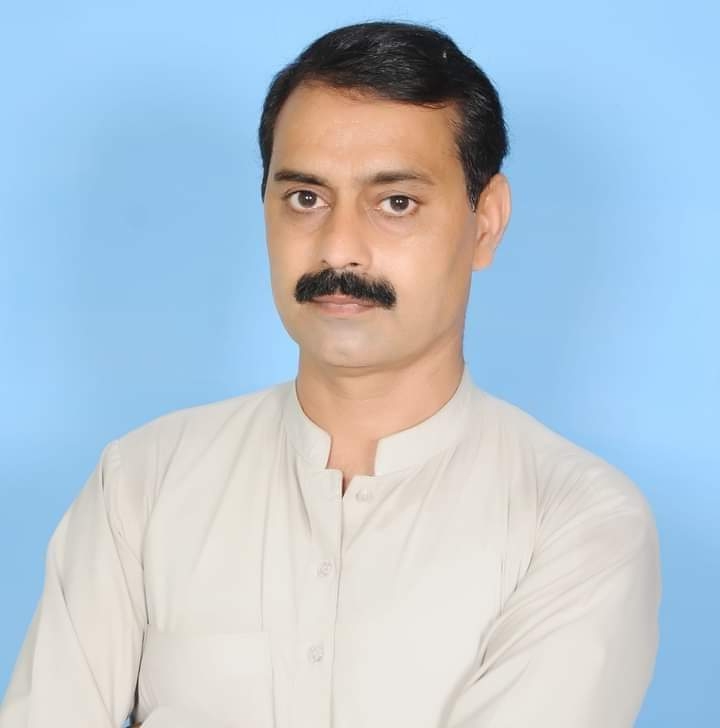
Dr Maqsood Ahmad Shanawar
For centuries, Muslims have reflected upon one of the most profound questions concerning the End Times: when Imam Mahdi (AS) appears, which nation and which army will stand alongside him in the struggle for justice and truth? Which countries will be entrusted with defending Islam during one of history’s most decisive periods? While no human being can answer these questions with certainty, Islamic scholars have long debated them in the light of the Qur’an, the Sunnah, and historical developments.
Over the years, various analysts have associated Afghanistan, Iran, Türkiye, the Arab world, and Pakistan with these discussions. Yet, no authentic Islamic source conclusively identifies any modern state or military as the definite supporter of Imam Mahdi (AS). Therefore, any attempt to assign such a role remains an interpretation rather than an established religious fact.
The prophetic traditions describe major trials and conflicts involving regions such as Sham (the Levant), Hijaz, Iraq, and neighboring lands. Some narrations also refer to Persia and parts of the Arab world. However, scholars have differed over the authenticity and interpretation of several of these reports, making caution essential when drawing conclusions.
Today, the Middle East is experiencing one of the most volatile periods in its modern history. Escalating tensions involving Iran, Israel, the United States, Saudi Arabia, and other regional actors have pushed the region toward greater uncertainty. Should these conflicts intensify further, their consequences may extend far beyond the Middle East, affecting the entire Muslim world.
Against this backdrop, Pakistan has emerged as an increasingly influential Muslim nation. Through military professionalism, technological advancement, strategic planning, and an active diplomatic role, Pakistan has gained growing international recognition. Its armed forces are widely respected, and many Muslim countries regard Pakistan as an important pillar of regional stability and security.
Many people continue to wonder how a country with modest economic resources succeeded in becoming a nuclear power and establishing itself as a significant strategic actor. The answer lies not only in military capability but also in scientific excellence, institutional strength, disciplined leadership, and the determination of its people.
Supporters of Pakistan’s strategic policies believe that recent regional confrontations have provided the country with an opportunity to demonstrate its military preparedness before the world. From this perspective, Pakistan’s performance during its military confrontation with India strengthened its international reputation by highlighting effective planning, operational discipline, and strategic decision-making. They argue that the true strength of any military can only be measured when it is tested under real battlefield conditions.
Pakistan’s long-standing defence cooperation with Saudi Arabia further reinforces this discussion. For decades, Pakistani military personnel have participated in training missions and defensive cooperation within the Kingdom. Because of this relationship, some observers believe that if the Holy Mosques were ever to face a serious external threat, Pakistan could be among the countries expected to contribute to their defence.
Nevertheless, Muslims should remember that strengthening faith, adhering to the Qur’an and Sunnah, promoting unity within the Ummah, and preparing wisely for future challenges are far more important than engaging in speculation about future events. Faith should always be accompanied by knowledge, wisdom, and responsibility.
Some religious commentators suggest that the Muslim world will ultimately require a force led by visionary leadership, highly trained soldiers, unwavering courage, and advanced military technology. They also interpret certain narrations as indicating that hostile forces moving toward Madinah would be confronted before reaching their objective.
From a strategic and geographical perspective, some analysts note that Pakistan has maintained a military presence and defense cooperation in Saudi Arabia. Based on this, they speculate that if such a situation were ever to arise in the future, Pakistani forces could potentially be among those defending the region. At present, supporters of this view argue that no other Muslim country’s military has a comparable strategic presence there. Whether Pakistan is ultimately chosen by Allah for such a historic responsibility remains part of personal belief and religious speculation, and only Allah has complete knowledge of the future.


ڈاکٹر مقصود احمد شناور کا یہ تحریر کردہ مضمون اسلامی علمِ آخرت (Eschatology) کے سب سے زیادہ زیرِ بحث موضوعات میں سے ایک پر انتہائی متوازن، تجزیاتی اور گہرا فکری نقطہ نظر پیش کرتا ہے: یعنی یہ کہ آخرت کے معاملات (End Times) میں امام مہدی (علیہ السلام) کے ساتھ کون سی قوتیں کھڑی ہوں گی؟
قدیم روایات اور جدید جغرافیائی و سیاسی حقائق کا موازنہ کرتے ہوئے، ڈاکٹر شناور نے اس انتہائی حساس موضوع کو فکری احتیاط اور تزویراتی (اسٹریٹجک) گہرائی کے ساتھ پیش کیا ہے۔ ذیل میں اس متن کے بنیادی نکات اور وسیع تر اہمیت کا تجزیہ پیش کیا جا رہا ہے:
۱. دینی احتیاط بمقابلہ سیاسی قیاس آرائیاں
ڈاکٹر شناور نے مضمون کے آغاز میں ہی ایک انتہائی اہم دینی حد مقرر کی ہے: کوئی بھی مستند، کلاسیکی اسلامی ماخذ واضح طور پر کسی جدید قومی ریاست یا عصرِ حاضر کی باقاعدہ فوج کو امام مہدی (ع) کے غیبی و حتمی مددگاروں سے منسوب نہیں کرتا۔
“سیاہ جھنڈوں” اور علاقائی روایات کا تذکرہ: تاریخی طور پر، بعض احادیث مبارکہ میں مشرق (جسے تاریخی طور پر خراسان کہا گیا، اور اس میں موجودہ ایران، افغانستان، پاکستان اور وسطی ایشیا کے کچھ حصے شامل ہیں) سے سیاہ جھنڈے لے کر نکلنے والی قوتوں کا ذکر ملتا ہے۔ تاہم، ان روایات کی صحت، جدید جغرافیائی حدود پر ان کے اطلاق اور ان کے قطعی وقت کے بارے میں علمائے کرام کے درمیان گہرے اختلافات پائے جاتے ہیں۔
ضرورت سے زیادہ تشریح کے خطرات: جدید جغرافیائی حدود—جو کہ زیادہ تر بیسویں صدی میں نوآبادیاتی طاقتوں نے کھینچیں—ان کو 1400 سال پرانی پیش گوئیوں پر منطبق کرنا محض ایک قیاس آرائی ہے۔ ڈاکٹر شناور نے قارئین کو عقلمندی کے ساتھ خبردار کیا ہے کہ اس قسم کے تعیّنات کو “علمی تعبیر اور تشریح” تو کہا جا سکتا ہے، لیکن یہ کوئی طے شدہ دینی حقیقت یا عقیدہ نہیں ہیں۔
۲. پاکستان کا تزویراتی تضاد (Strategic Paradox)
مضمون ایک ایسے دلچسپ پہلو پر روشنی ڈالتا ہے جس نے ہمیشہ بین الاقوامی مبصرین کو حیران کیا ہے: ایک ایسا ملک جس کے معاشی وسائل محدود ہیں اور جو اندرونی چیلنجز کا شکار رہا ہے، وہ کیسے ایک انتہائی جدید ترین فوج اور جوہری طاقت بننے میں کامیاب ہوا؟
اس کا جواب: ڈاکٹر شناور اس کامیابی کا سہرا سائنسی مہارت، مضبوط ادارہ جاتی قیادت، اور پاکستانی عوام کے غیر متزلزل عزم و ہمت کے سر باندھتے ہیں۔
عملی میدان میں آزمائش: وہ بھارت کے ساتھ حالیہ عسکری ٹکراؤ اور ماضی کے معرکوں کا حوالہ دیتے ہوئے لکھتے ہیں کہ یہ واقعات ثابت کرتے ہیں کہ پاکستان کی مسلح افواج شدید دباؤ کے ماحول میں بھی بہترین منصوبہ بندی، غیر معمولی نظم و ضبط اور جدید ترین عسکری مہارت کے ساتھ کام کرنے کی بھرپور صلاحیت رکھتی ہیں۔
۳. پاک-سعودی دفاعی اتحاد
ڈاکٹر شناور کے سیاسی تجزیے کا ایک اہم ستون سعودی عرب اور پاکستان کا دیرینہ اور گہرا دفاعی رشتہ ہے۔
تاریخی دفاعی تعاون: دہائیوں سے پاکستانی فوج کے اہلکار سعودی عرب میں تربیتی مشنز اور دفاعی تعاون کے تحت خدمات انجام دے رہے ہیں۔
حرمین شریفین کا دفاع: اگر حرمین شریفین (مکہ مکرمہ اور مدینہ منورہ) کو کبھی بھی کوئی بیرونی خطرہ لاحق ہوا، تو عسکری ماہرین اور عام مسلمانوں کی اکثریت کا یہ ماننا ہے کہ پاکستان ان اولین ممالک میں شامل ہوگا جو اس کے دفاع کے لیے کھڑے ہوں گے۔ مصنف نے اسی عملی دفاعی موجودگی کو ان مذہبی روایات سے جوڑا ہے جن میں کہا گیا ہے کہ مدینہ منورہ کی طرف بڑھنے والے دشمن قوتوں کا راستہ روکا جائے گا۔
۴. حتمی نتیجہ: قیاس آرائیوں پر ایمان کی فوقیت
مضمون کے اختتام پر ڈاکٹر شناور قاری کی توجہ فرضی قیاس آرائیوں سے ہٹا کر عملی ایمان اور ذمہ داری کی طرف مبذول کراتے ہیں:
“مسلمانوں کو یاد رکھنا چاہیے کہ ایمان کی مضبوطی، قرآن و سنت کی پیروی، امت مسلمہ کے اتحاد، اور مستقبل کے چیلنجوں کے لیے دانشمندانہ تیاری، آنے والے واقعات کے بارے میں قیاس آرائیوں میں الجھنے سے کہیں زیادہ اہم ہے۔”
اس کے بجائے کہ مسلمان ہاتھ پر ہاتھ دھرے وقت کا انتظار کریں یا اس بحث میں الجھے رہیں کہ کس ملک کے پاس “آخرت کی فوج” کا تمغہ ہے، انہیں درج ذیل امور پر توجہ دینی چاہیے:
علمی اور سائنسی ترقی: مضبوط اور خود مختار معاشروں کی تعمیر۔
اتحادِ امت: فرقہ وارانہ اور علاقائی تقسیم سے بالاتر ہونا۔
روحانی تیاری: سچے ایمان، حکمت اور ذمہ داری کے احساس کو بیدار کرنا۔