Report: ANI :
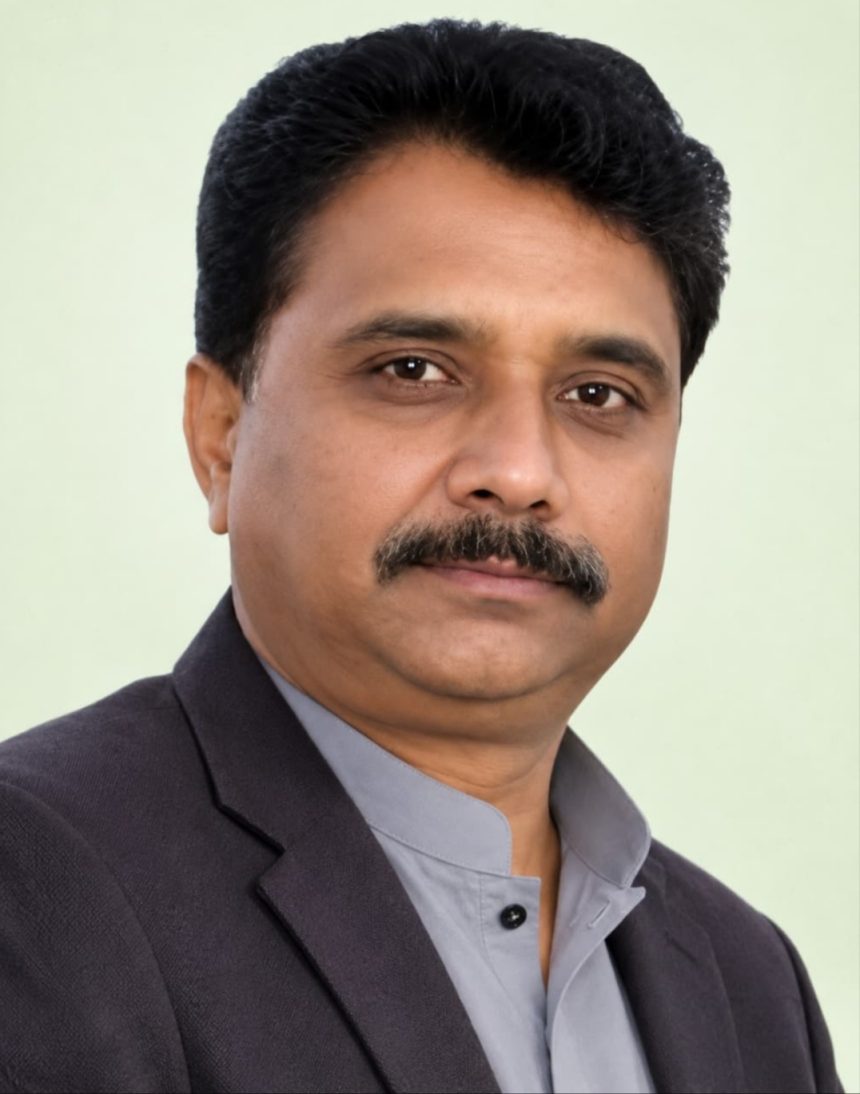
QUETTA: Pakistan Muslim League-Nawaz (PML-N) Balochistan Information Secretary Chaudhry Shabbir Balochistani, reacting to Bilawal Bhutto Zardari’s recent speech in the National Assembly, said that calls for political civility, parliamentary dignity, supremacy of the Constitution and respect for institutions were welcome, but these principles should apply equally to all political parties, including those part of the government.
He said the Pakistan Peoples Party (PPP) is an important coalition partner in the federal government and therefore must accept responsibility for government performance and decisions along with its share in governmental powers and decision-making. Taking credit for good decisions while presenting oneself as an opposition party on difficult or controversial matters is not politically acceptable, he added.
Chaudhry Shabbir Balochistani said that if opposition to the political use of state institutions, pressure on the media or political victimization is based on principle, the same principles must be applied equally to every government and political party. Political principles should not change according to political convenience, he maintained.
He said Bilawal Bhutto had rightly expressed concern over confrontation and uncivilized political conduct, but political leaders must also demonstrate the same standards through their words and actions. The younger generation would be inspired not by statements alone, but by consistency between the words and actions of political leadership.
The PML-N Balochistan information secretary said the people had moved beyond the politics of taking credit for favorable developments while distancing themselves from difficult decisions. If the PPP disagrees with any government policy, it should clearly express its position within the government, play a practical role in bringing reforms and tell the public what steps it has taken to bring about change.
He said participation in power was not merely a partnership in authority and interests, but also a partnership in accountability and responsibility. Pakistan now needed politics where differences were respected but double standards were avoided, and criticism was allowed but political responsibility was not evaded