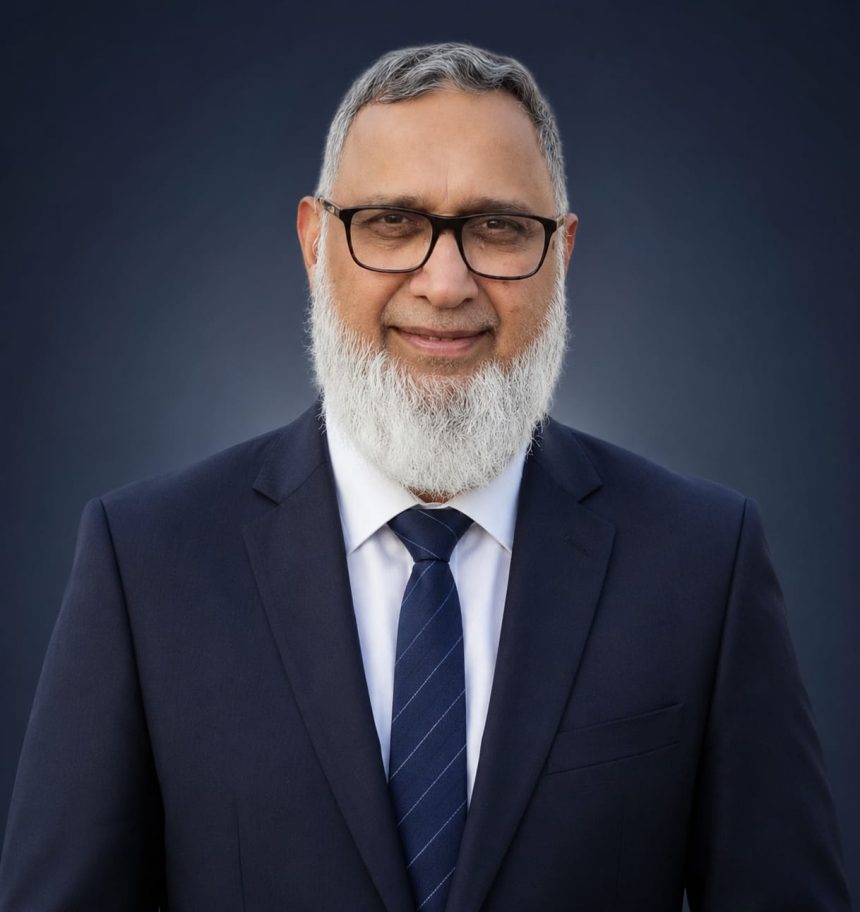
Written By:Mahmood Khan
Published By:ANI News Agency
Pakistan’s socio-economic crisis is no longer a problem that can be addressed through temporary measures or short-term relief. The country has resources, talented people, a young population and enormous potential. What it lacks is the ability to consistently turn these strengths into sustainable economic opportunities and a better quality of life for its people.
With a population of more than 250 million, Pakistan has one of the world’s largest young populations. This should be a major economic advantage. Yet poverty, unemployment, inflation, weak public services, political uncertainty, debt and institutional weaknesses continue to prevent millions of Pakistanis from benefiting from the country’s potential.
The real challenge is not simply a lack of resources. It is the lack of opportunities.
Poverty and Jobs
For ordinary Pakistanis, the economic crisis is most visible in the rising cost of everyday life. Food, electricity, fuel, education and healthcare have become increasingly difficult for many families to afford. When household incomes fail to keep pace with these costs, even middle-income families can find themselves under financial pressure.
At the same time, employment opportunities remain limited. A large share of Pakistan’s workforce works in the informal economy, where workers often lack job security, social protection and other basic benefits. Women and young people face even greater barriers to entering the formal labour market.
Pakistan therefore needs an economy that creates jobs rather than simply managing unemployment. SMEs, agriculture, manufacturing, construction, IT and export-oriented businesses can provide opportunities for millions if they are supported through better policies, easier access to finance and a more predictable business environment.
Education and the Youth
Pakistan cannot build a strong economy while a large number of its children remain out of school or leave school without acquiring meaningful skills.
The education crisis is not only about the number of schools. It is also about the quality of education. Many children complete years of schooling without developing adequate reading, writing, mathematical or practical skills. Poor nutrition and child stunting make the situation even more serious because a child who grows up unhealthy is less likely to reach his or her full potential.
Education must therefore be seen as an investment in Pakistan’s future. More attention is needed on primary education, teacher training, vocational education, digital skills and access to education for girls.
Pakistan’s young population can become its greatest economic asset, but only if young people have the education, skills and employment opportunities they need.
Healthcare and Human Development
Healthcare is another area where economic hardship directly affects ordinary families. For a low-income household, an unexpected illness can consume a significant portion of its monthly income.
Pakistan needs to give greater attention to prevention and primary healthcare instead of relying heavily on treatment after people become seriously ill. Clean drinking water, sanitation, vaccination, maternal healthcare, child nutrition and community-based healthcare can prevent many problems before they become expensive medical emergencies.
Improving healthcare is not only a social responsibility. It is also an economic investment because a healthier population is more productive.
Moving Beyond Economic Crises
Pakistan has experienced repeated cycles of economic crisis. Balance-of-payments pressures, inflation, currency instability, rising debt and dependence on external financing have repeatedly forced the country to seek short-term solutions.
Loans and stabilization programmes may provide temporary breathing space, but they cannot replace structural reform.
Pakistan needs to produce more, export more and create more value at home. IT services, engineering goods, minerals, pharmaceuticals, textiles, modern agriculture and other value-added industries can help generate foreign exchange and reduce dependence on imports.
A stronger tax system, a better business environment, improved public-sector performance and policies that encourage investment are equally important.
Agriculture and Climate Change
Agriculture remains vital to Pakistan’s economy, but farmers continue to face problems ranging from inefficient irrigation and outdated farming methods to weak storage and marketing systems.
Modern agricultural technology, better water management, research, storage facilities and improved access to markets can help farmers increase both productivity and income.
Climate change makes this task even more urgent. Floods, droughts, extreme heat and water shortages are already affecting communities and livelihoods. Climate resilience should therefore be treated as part of economic planning rather than as a separate environmental issue.
Governance Is Critical
Behind many of Pakistan’s economic and social problems lies a deeper issue: governance.
Governments change, policies change and priorities change, but long-term development requires continuity. Education, healthcare, taxation, energy, exports and employment cannot be reformed effectively within the life of a single government.
Pakistan needs a national development framework with clear and measurable goals that can continue regardless of political changes.
Local governments also need greater authority and resources. Development is more effective when decisions are made closer to the communities that depend on public services.
Pakistan does not need another slogan or another temporary solution. It needs serious structural reforms.
The country must broaden its tax base, reduce unnecessary government expenditure, invest in education and healthcare, create jobs through the private sector, strengthen exports, modernise agriculture, improve the energy sector, support SMEs and entrepreneurs, strengthen local governments and protect vulnerable families through effective social protection.
None of these reforms will be easy. They will require political courage, institutional stability and patience.
But Pakistan’s situation is not hopeless. The country has a large domestic market, a young population, natural resources, a strategic geographical position, entrepreneurial citizens and a substantial overseas diaspora.
The question is whether Pakistan can turn these advantages into lasting progress.
For too long, the country has focused on managing one crisis after another. The time has come to address the causes of those crises.
Pakistan’s future will not be determined simply by the resources it possesses. It will be determined by how effectively its institutions, leadership and people use those resources to create opportunity, stability and a better future for the next generation.