Report: Qurat Ul Ain Ali Khawaja /ANI
ISLAMABAD –The developments between September 18 and 23, 2026, indicate a rapidly changing Pakistan–Afghanistan security environment, with events moving beyond isolated terrorist incidents and infiltration attempts toward a broader cycle involving cross-border military action, drone incursions and heightened border tensions.
On September 18 in Kohat, a deadly attack at the Old Police Lines during Friday prayers killed 23 people, including 17 policemen and six civilians, while more than 100 people were injured. According to KP Police, an overnight clearance operation subsequently killed eight attackers.
On September 20 in Kohat and Hangu, Pakistan reported an intelligence-based ground operation in which nine militants were killed. Six Pakistani security personnel were also reported killed in a separate exchange of fire near Hangu.
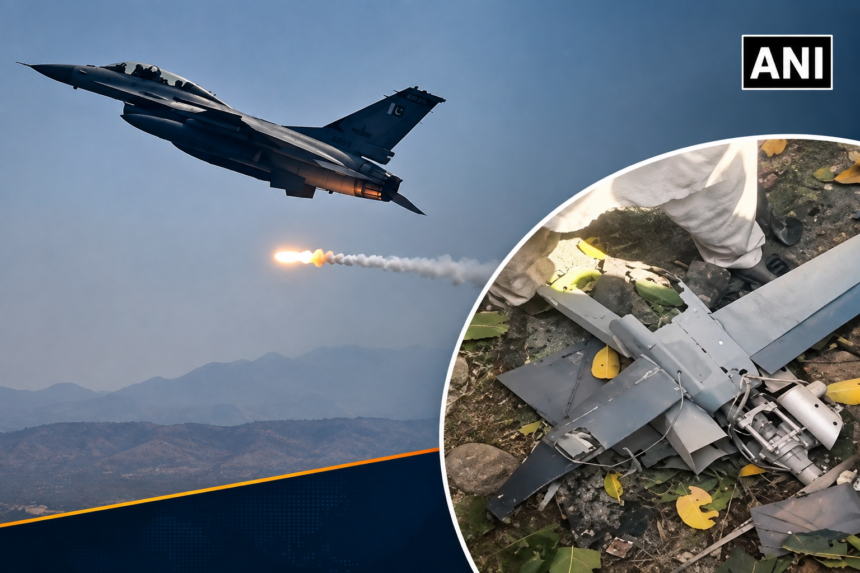
On September 21, Pakistan announced what it described as calibrated airstrikes against militant camps and hideouts in Afghanistan's border region. Pakistani authorities reported that 28 militants were killed, including at a facility described as a suicide-bomber training centre. Afghan authorities and the United Nations, however, reported three civilian deaths and four injuries, underscoring the disputed humanitarian consequences surrounding the strikes.
On September 23, Pakistan reported that eight drones entering from Afghanistan were intercepted and destroyed, with four incidents reported near Torkham and four near Kohat. Security sources also reported an attempted militant infiltration through Kurram, followed by firing toward Pakistani border posts.
Taken together, the developments over these five days point to an increasingly interconnected security cycle: a terrorist attack, a counterterrorism operation, cross-border strikes, an infiltration attempt, drone incursions and the possibility of further military responses.
Pakistan maintains that it has a responsibility to protect its territory and population from militant attacks. At the same time, the evolving situation places increasing importance on effective border management, civilian protection, independent verification of casualty claims and sustained diplomatic engagement.
The most significant concern is not simply the number of incidents, but the speed with which one security event can become the trigger for another. If this pattern continues, developments along the Pakistan–Afghanistan border could become increasingly difficult to contain without a combination of security measures, reliable verification mechanisms and diplomatic efforts aimed at preventing further escalation.